Online education continues to expand in 2026, and WordPress remains a leading platform for building learning-focused websites. From selling digital courses to managing employee training or running full online academies, WordPress LMS plugins make it possible to turn a standard site into a structured learning environment.
However, not all LMS plugins are built the same. Some focus on simplicity and quick setup, while others are designed for enterprise-level training with advanced tracking, reporting, and automation. There are also plugins that rely heavily on add-ons, which can affect both cost and performance over time.
This comparison reviews eight widely used WordPress LMS plugins, highlighting their strengths, limitations, and ideal use cases to help you choose the right solution for your learning goals in 2026.
LMS Plugins Covered in This Guide
- LearnDash
- Tutor LMS
- LearnPress
- Academy LMS
- LifterLMS
- Masteriyo
- Ultimate Learning Pro
1. LearnDash – Enterprise-Level LMS for Complex Training

Best for: Enterprises, universities, and large training programs
LearnDash is one of the most established WordPress LMS plugins and is widely used in corporate and institutional environments. It supports advanced learning structures and complex course logic.
Strengths
- Advanced prerequisites and course sequencing
- Powerful quiz and assessment tools
- Large ecosystem of integrations and add-ons
Limitations
- Many advanced features require paid add-ons
- Higher total cost over time
- Steeper learning curve for beginners
3. Tutor LMS – User-Friendly LMS for Small Businesses
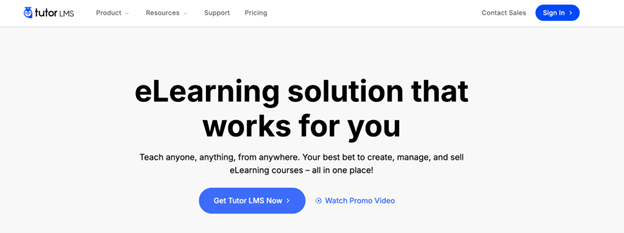
Best for: Solo instructors and small education businesses
Tutor LMS is known for its modern interface and ease of use. It allows creators to build and publish courses quickly without extensive technical knowledge.
Strengths
- Intuitive drag-and-drop course builder
- Frontend dashboards for instructors
- Active development and frequent updates
Limitations
- Advanced features limited to premium plans
- Less flexible for enterprise training
- Costs increase as features are added
4. LearnPress – Entry-Level LMS for Beginners
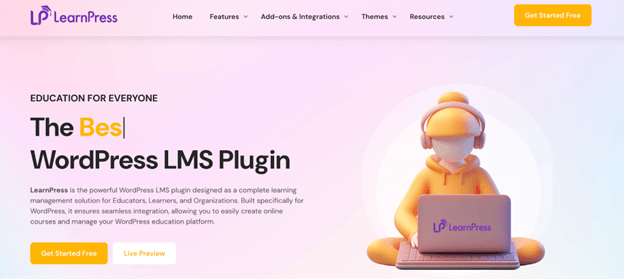
Best for: Users testing online course creation
LearnPress offers a free core plugin with optional paid extensions, making it accessible for those experimenting with LMS functionality.
Strengths
- Free starting point
- Simple installation and setup
- Large community and documentation
Limitations
- Requires multiple add-ons to scale
- Performance can decline with many extensions
- Not ideal for professional or high-traffic platforms
5. Academy LMS – Lightweight LMS for Simple Projects
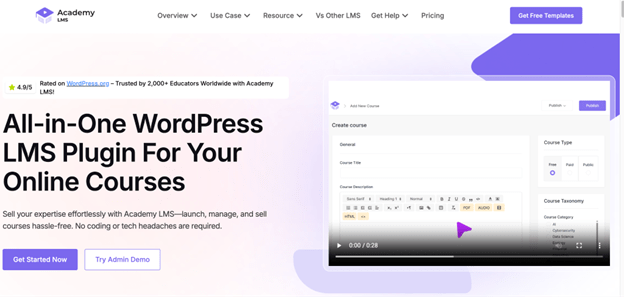
Best for: Small academies and basic educational sites
Academy LMS focuses on core learning features without adding unnecessary complexity, making it suitable for straightforward training needs.
Strengths
- Lightweight and fast
- Easy to configure
- Works well for small projects
Limitations
- Limited advanced functionality
- Smaller ecosystem
- Not designed for large-scale learning
6. LifterLMS – LMS with Membership and Coaching Focus

Best for: Membership-based learning and coaching programs
LifterLMS combines LMS functionality with membership tools, making it popular among coaches and subscription-based educators.
Strengths
- Flexible monetization options
- Built-in engagement and membership features
- Strong documentation and support
Limitations
- Core plugin offers limited features
- Add-ons significantly increase cost
- More complex initial setup
7. Masteriyo – Modern LMS Built for Speed
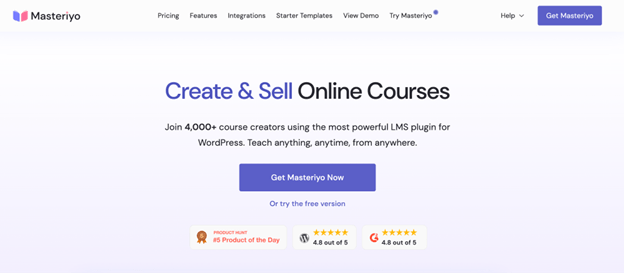
Best for: Creators seeking a lightweight, modern LMS
Masteriyo is built using a modern technology stack and emphasizes speed, simplicity, and clean design.
Strengths
- Modern, intuitive interface
- Lightweight performance
- Easy onboarding process
Limitations
- Limited analytics and reporting
- Smaller feature set
- Ecosystem still developing
8. Ultimate Learning Pro
Best for: Trainers and academies with limited budgets
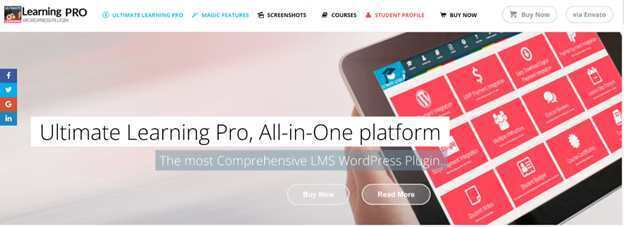
Ultimate Learning Pro provides a broad set of LMS features for a one-time purchase. It includes course creation, quizzes, assignments, progress tracking, and multiple monetization options.
The plugin supports certificates, badges, instructor management, and community features through BuddyPress. Payment integrations include PayPal, Stripe, and WooCommerce, making it suitable for interactive learning environments.
Pricing:
Available on CodeCanyon with a one-time payment of $59.
Final Verdict: Choosing the Right WordPress LMS in 2026
Each LMS plugin serves a specific type of user:
- LearnDash is well-suited for enterprise and institutional training
- Tutor LMS and Masteriyo work well for solo creators and small teams
- LearnPress and Academy LMS are suitable for basic or experimental projects
- LifterLMS excels in membership-driven learning models
- Ultimate Learning Pro offers strong features at an affordable one-time cost
For long-term success in 2026, the best LMS choice is one that balances usability, performance, scalability, and built-in functionality—without creating unnecessary technical or financial complexity.