Seasonal growing brings both opportunity and uncertainty, as shifts in temperature, daylight, and moisture directly influence crop performance. Greenhouses offer a structured environment where growers can guide plant development rather than react to unpredictable conditions. From small-scale producers to commercial operations, protected cultivation has become a reliable way to maintain consistency throughout the year. The ability to shape climate, light, and airflow allows crops to reach maturity with fewer disruptions. This approach supports better planning, steadier yields, and improved resource use.
Extended Growing Seasons With Greater Predictability
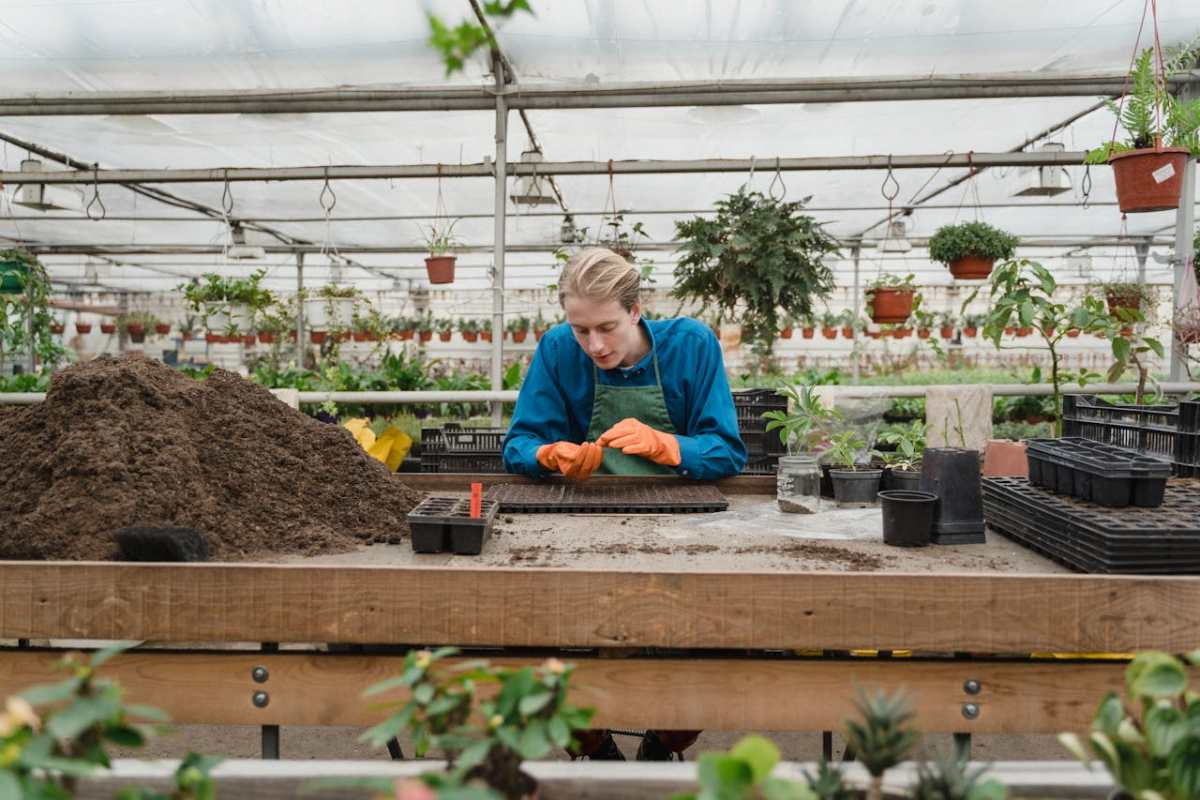
One of the most noticeable advantages of greenhouse cultivation is the ability to extend the growing season beyond natural limits. Plants that would struggle during early spring or late autumn outdoors can thrive under protected conditions with managed temperatures. This consistency allows growers to plan planting schedules with confidence rather than waiting for favorable weather windows.
Heat retention during colder months reduces the risk of frost damage, while ventilation systems prevent overheating during warmer periods. The result is a longer production window that supports steady harvesting cycles. Reliable scheduling strengthens market planning and reduces gaps in supply. Seasonal unpredictability becomes less disruptive when crops develop in a controlled environment.
Reduced Pest Pressure and Disease Exposure
While no growing system is completely pest-free, greenhouses significantly limit exposure to many common threats. Physical barriers restrict insect entry, while monitoring systems allow early detection of potential issues. Integrated pest management strategies become easier to apply in a contained space.
Growers can respond quickly with targeted solutions rather than broad treatments. This focused approach supports healthier crops and reduces reliance on chemical interventions. Operations aligned with experts such as leaders in greenhouse innovation often incorporate advanced designs that support biosecurity and long-term crop health. Reduced disease pressure contributes to steadier production across changing seasons.
Improved Climate Control for Plant Health
Greenhouses allow precise regulation of temperature, humidity, and airflow, all of which play a significant role in plant development. Stable conditions reduce stress on crops, supporting stronger root systems and more uniform growth. Humidity management helps limit fungal diseases that often spread in open fields during damp periods.
Air circulation systems promote healthier foliage while discouraging pests that thrive in stagnant environments. This balance creates a setting where plants can focus energy on growth rather than survival. Consistent climate control supports predictable outcomes across multiple growing cycles. Healthier plants often translate into higher-quality harvests and reduced losses.
Protection From Weather-Related Damage
Outdoor crops remain vulnerable to heavy rain, hail, wind, and sudden temperature swings that can undo months of careful cultivation. Greenhouses provide a physical barrier that shields plants from these disruptive forces. This protection reduces crop damage and prevents soil erosion caused by intense rainfall.
Structural coverings diffuse sunlight, limiting the risk of leaf scorch during peak summer days. By minimizing exposure to extreme weather, growers gain greater control over crop outcomes. This reliability supports long-term planning and investment decisions. Seasonal success becomes more achievable when external risks are significantly reduced.
More Efficient Use of Water and Nutrients
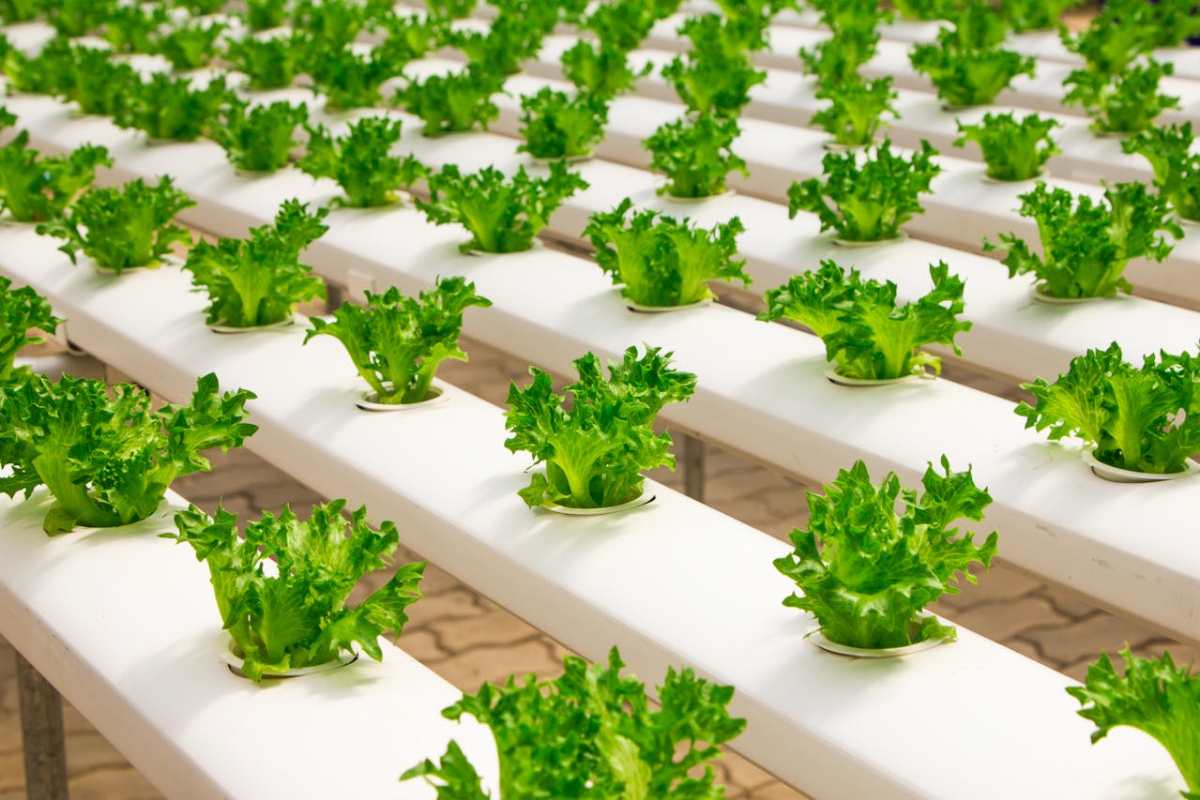
Controlled environments allow growers to deliver water and nutrients with greater accuracy. Drip irrigation and fertigation systems direct resources straight to plant roots, limiting waste and runoff. This targeted approach supports healthier growth while conserving water, which remains a critical concern in many regions.
Nutrient delivery can be adjusted based on plant stage, improving absorption and reducing excess buildup in the soil. These efficiencies support sustainable practices without sacrificing productivity. Greenhouses encourage mindful resource management that benefits both crops and operating costs. Precision replaces guesswork, leading to more consistent results.
Higher Yield Potential Through Optimized Conditions
When plants grow under ideal conditions, productivity naturally increases. Greenhouses create an environment where light, temperature, and moisture align with crop requirements throughout each stage of growth. This alignment encourages faster development and more uniform yields. Pollination strategies can be managed more effectively, supporting fruit set and quality.
The controlled setting allows growers to refine techniques season after season, building on measurable outcomes. Many operations see higher output per square meter compared to open-field cultivation. Increased yield potential strengthens the economic viability of seasonal growing efforts.
Operational Flexibility and Scalable Design
Greenhouses offer flexibility that supports both small growers and expanding commercial operations. Modular designs allow structures to grow alongside production needs without disrupting existing systems. Equipment, layout, and climate controls can be adapted to suit different crops or seasonal priorities. This adaptability supports experimentation and diversification without excessive risk. Common advantages that support this flexibility include:
- Adjustable climate zones for varied crop requirements
- Compatibility with automation and monitoring technologies
- Structural options suited to different climates and terrains
- Layouts that support efficient labor movement
Such features help growers refine operations while maintaining consistency. Scalability ensures that success in one season can be built upon in the next.
Greenhouses provide a practical framework for managing the challenges of seasonal growing with confidence and precision. By extending growing periods, stabilizing climate conditions, and protecting crops from external stressors, they support reliable production throughout the year. Efficient resource use, reduced pest pressure, and scalable design further strengthen their value across different operation sizes. Seasonal success becomes less dependent on chance and more guided by informed decisions. With the right structure and management approach, greenhouses transform seasonal limitations into opportunities for consistent growth.