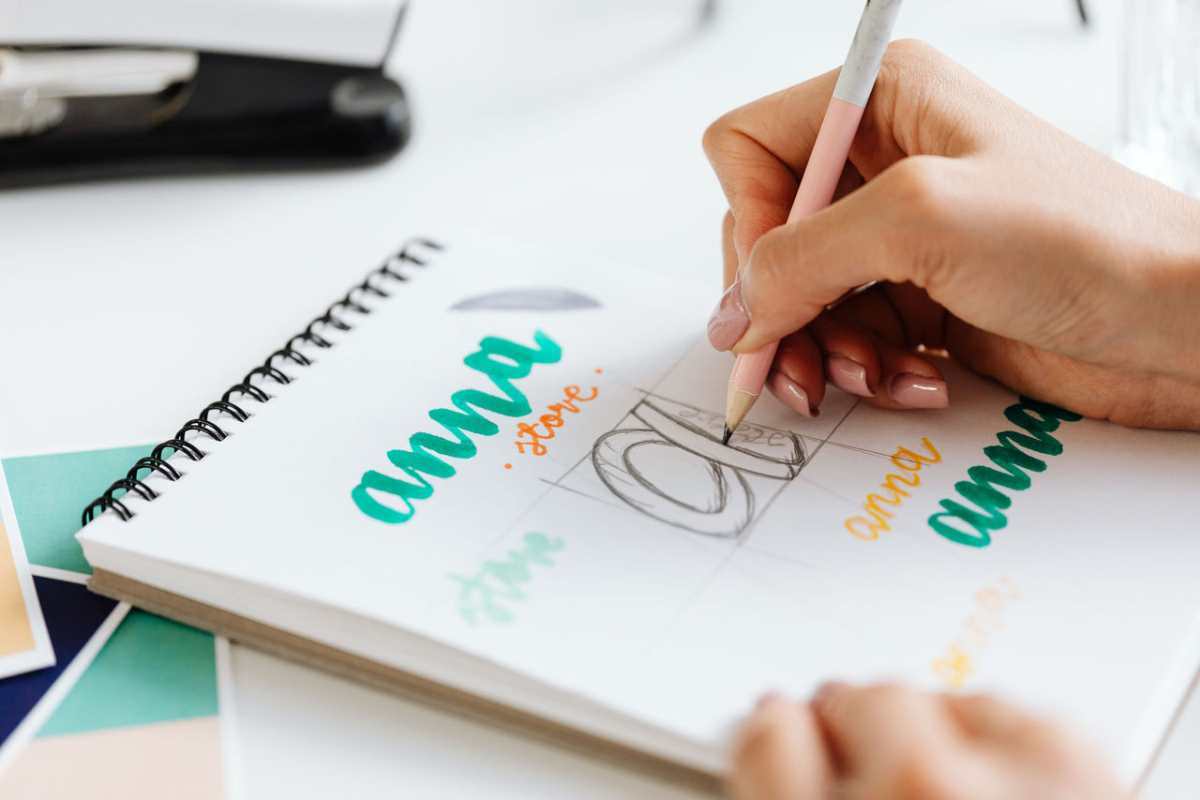
Thinking of rebranding? Avoid these five common mistakes that catch businesses off guard, from rushed visual identity work to neglected digital assets. Continue reading
A rebrand can do a lot of good. A sharper visual identity, a clearer message, a better fit with where your business is heading. But for every successful rebrand, there are plenty that go sideways, not because the design was bad, but because the execution was poorly planned. Find out why these five mistakes trip businesses up and how to sidestep them below.
Most businesses focus their rebranding energy on the front-facing stuff: logos, colour palettes, website headers. That’s understandable. Those are the things customers see. But the back-end systems where staff actually work every day often get forgotten entirely.
Email signatures, CRM templates, proposal documents, slide decks, internal communications, onboarding packs, these are all carrying your old brand long after the new one launches.
Customers and partners who receive a professionally rebranded email will notice when the attached PDF still has the old logo at the top. It creates confusion and quietly undermines the credibility of the rebrand.
Before any rebrand, you need to know where your old brand exists. That sounds obvious, but most businesses have no idea how many places their logo, colour codes, and branded files have ended up.
Shared drives, email platforms, CMS libraries, social media asset banks, third-party agencies, contractor folders, the list adds up quickly. This is where effective digital asset management becomes essential, giving teams a single source of truth for every branded file so nothing gets missed during the transition. Without it, you’ll spend weeks chasing down old assets and you’ll still miss some.
Even businesses with relatively tidy file structures tend to underestimate the volume of branded assets they’ve accumulated. A two-year-old marketing campaign alone can produce dozens of image variants, banner ads in multiple sizes, print-ready PDFs, and social cuts. Multiply that across several campaigns and you start to get a sense of the problem.
A rebrand is an internal change before it’s a public one. Your sales team, account managers, and support staff will be the first people customers ask about it. If they haven’t been briefed, they’ll give inconsistent answers, or worse, they’ll be caught completely off guard.
This isn’t just about morale. Inconsistent messaging at the point of customer contact can undo a lot of the positive impact a rebrand is meant to create. Plan a short internal comms campaign before external launch. Give people talking points and access to updated materials.
Most businesses underestimate how long a rebrand takes to roll out fully. The design work tends to go reasonably to plan. It’s everything that comes after that takes longer than expected.
Updating a website is a project in itself. Getting agency partners to swap out old assets takes chasing. Print materials need lead time. Digital platforms have their own quirks, some allow bulk asset swaps, others require manual updates page by page. Build in more time than you think you need, especially for the long tail of smaller touchpoints that no one thinks about until they find them months later with the old branding still in place.
This is the one that tends to cause the most long-term damage. When a rebrand is managed purely by the design or marketing team with no operational input, the result is a beautiful brand that nobody in the business knows how to maintain.
Brand guidelines get produced but not distributed. Templates are created but never uploaded anywhere accessible. The person who managed the rebrand moves on, and within six months the business is slowly drifting back towards inconsistency. A rebrand needs buy-in and clear ownership from operations, IT, and whoever manages internal systems. Get those people involved early.
A rebrand done well pays off. Done badly, it creates months of cleanup and leaves customers with a mixed message about who you are. The businesses that get it right tend to treat it as an operational project from day one, not just a creative exercise. Map your assets, brief your people, and give yourself a realistic timeline.
Harsh field conditions threaten remote operations, driving industrial teams to deploy heavy-grade physical barriers that…
AI analyzes data brilliantly, but can't feel fabric texture or test product weight. Discover why…
Learn how to create polished AI-assisted product demos your team can review. Cover briefs, permissions,…
Gen AI is changing how project management works by moving it from doing tasks to…
Maintaining operational efficiency without sacrificing authentic customer relationships remains a central challenge for the country’s…
Why AI tools feel slow and cost more than planned, which tasks need a large…