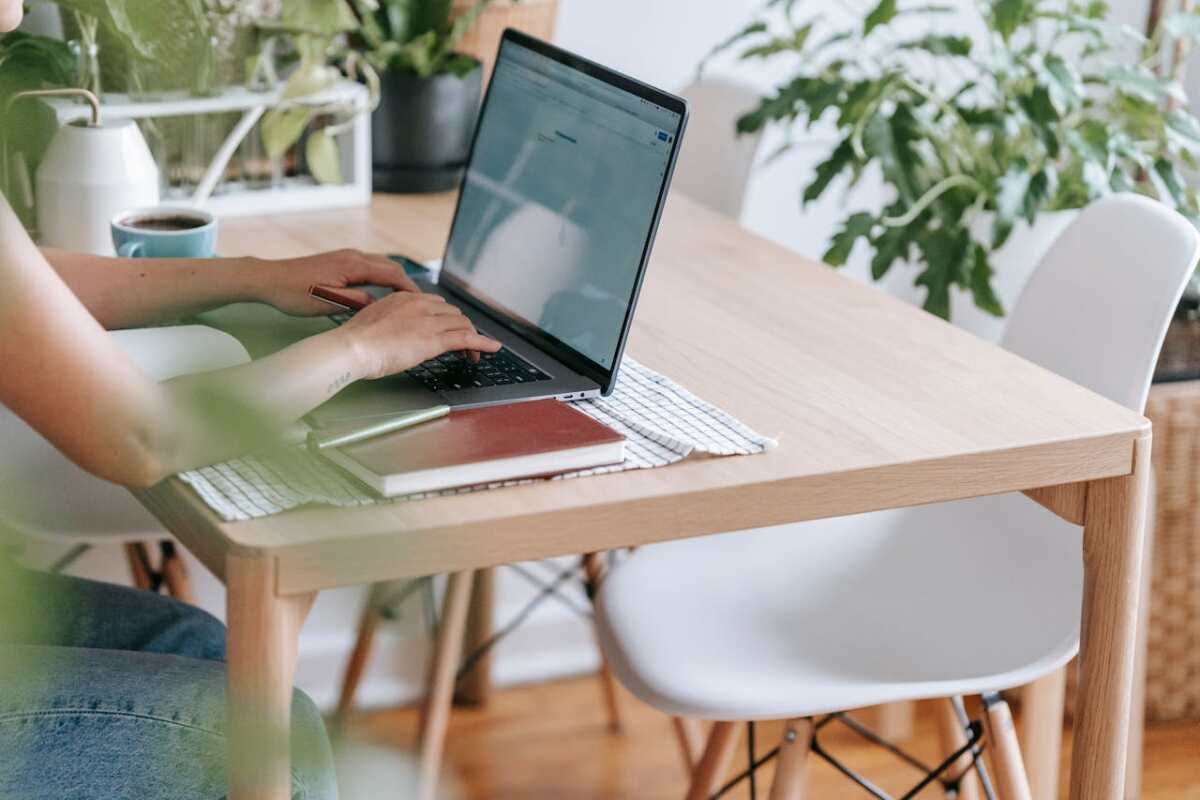
The most effective workspace is one that quietly supports your goals, allowing you to spend less time managing your environment and more time doing meaningful work. Continue reading
The modern workspace has evolved far beyond a desk and a computer. Today’s professionals operate in hybrid environments where digital tools, physical organization, and environmental comfort all influence productivity. Whether you work remotely full-time or manage a small business from home, your workspace plays a major role in how efficiently and comfortably you get things done.
A truly productive workspace isn’t just about having the latest apps or fastest devices. It’s about creating an environment where technology, organization, and comfort work together to support focus and efficiency.
Digital productivity tools are the foundation of most modern workflows. Cloud calendars, CRM systems, and contact management platforms help professionals keep track of meetings, clients, and deadlines. Synchronization across devices ensures that information is accessible whether you’re on a desktop, tablet, or phone.
Many professionals underestimate how much mental energy is saved by reliable data syncing. When contacts, calendars, and tasks update automatically, you eliminate small but constant frictions that disrupt concentration.
A smart workspace begins with a dependable digital ecosystem, one where your information flows smoothly between platforms and devices.
Even in a digital-first world, physical clutter can reduce productivity. Papers pile up, cables tangle, and supplies scatter across desks. A disorganized space can subtly increase stress and make it harder to focus.
Simple habits like weekly desk resets, labeled storage, and minimalistic layouts can make a meaningful difference. Professionals who maintain tidy workspaces often report clearer thinking and better task completion rates.
Importantly, organization isn’t about aesthetics alone, it’s about reducing friction between you and your work.
No workspace is immune to small accidents. Coffee spills, paper cuts, and printer issues are all part of daily office life. Printers, in particular, remain essential for many professionals despite the push toward paperless operations. Contracts, invoices, and signed documents still often require hard copies.
One surprisingly common frustration is ink stains. Anyone who has changed a cartridge or handled freshly printed pages has likely encountered this problem. Knowing practical solutions for removing printer ink stains can save both clothing and furniture, especially in busy home offices where work and personal spaces overlap.
These small maintenance skills may seem minor, but they contribute to a smoother daily workflow and less distraction.
Workspace comfort is frequently overlooked in productivity discussions. Yet temperature, lighting, and air quality significantly influence focus and energy levels.
Research in workplace ergonomics consistently shows that people perform better in environments where they feel physically comfortable. Too much heat can cause fatigue, while overly cold spaces can make it hard to concentrate.
This is where smart home technology increasingly intersects with productivity. Smart thermostats and climate control systems allow professionals to fine-tune their environments for optimal comfort throughout the day.
For example, solutions like those discussed by Mysa in comparisons of modern smart climate systems highlight how automated temperature control can adapt to routines and preferences. These technologies aren’t just about energy savings, they also support consistent comfort, which directly impacts cognitive performance.
A smart workspace also considers mental wellbeing. Natural light, clean layouts, and personalized touches can improve mood and reduce stress. Even small details like plants or calming colors contribute to a more pleasant environment.
When people feel good in their workspace, they’re more likely to stay engaged and motivated. This doesn’t require expensive renovations, just intentional choices that support how you work best.
Ironically, a “smart” workspace can become overwhelming if overloaded with gadgets. Productivity improves when technology serves a purpose rather than creating distractions.
The goal is balance:
When each element supports the others, work feels smoother and less mentally taxing.
As remote and hybrid work continue to grow, investing in a functional workspace becomes increasingly valuable. Professionals who optimize their environments often experience:
Future-proofing doesn’t mean constant upgrades. It means choosing adaptable systems and building habits that support long-term productivity.
A smart workspace is not defined by flashy technology or expensive furniture. It’s defined by how well your environment supports your workflow. Digital synchronization keeps information flowing. Organization reduces distractions. Practical knowledge prevents small setbacks. Comfort enhances focus.
When these elements align, productivity becomes more sustainable and less stressful.
In the end, the most effective workspace is one that quietly supports your goals, allowing you to spend less time managing your environment and more time doing meaningful work.
When people ask what it costs to ship a car from one state to another,…
Search is one of the highest-intent touchpoints in any ecommerce experience. Shoppers who use on-site…
You may be required to convert an OST file to PST when migrating from one…
Every growing business reaches a point where technology stops feeling like a helpful tool and…
Recurring revenue is the goal for most modern businesses — predictable cash flow, lower acquisition…
Modern companies are constantly searching for innovative ways to bring employees together, especially in remote…