Categories: Technology

Exploring IoT Connectivity: The Role of Electronic Components

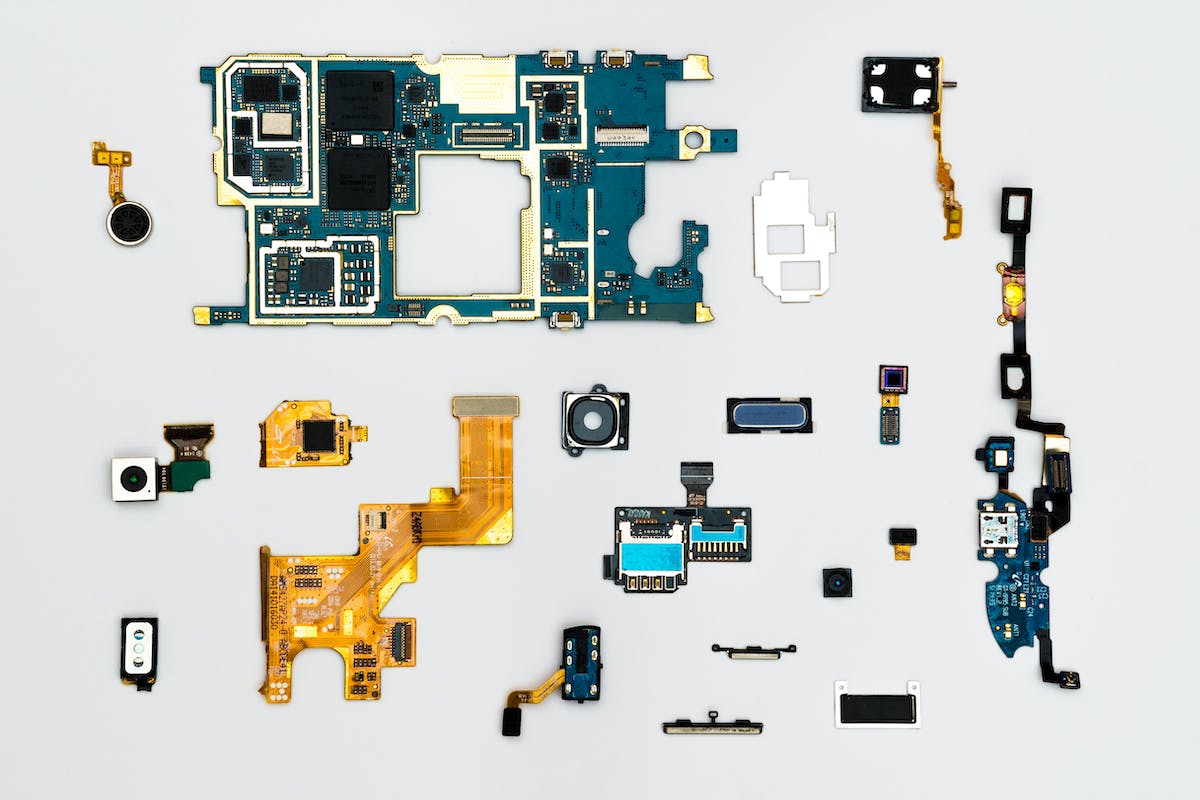
In this article, we will delve into the world of IoT connectivity and shed light on the vital role played by electronic components. Continue reading

Published by
Amrytt Patel

In today’s digitally interconnected world, the Internet of Things (IoT) has become an integral part of our lives. From smart thermostats that adjust the temperature of our homes to wearable fitness trackers that monitor our health, IoT devices have permeated various aspects of our daily routines. However, beneath the sleek exteriors of these gadgets lies a complex web of electronic components that enable them to function seamlessly. In this article, we will delve into the world of IoT connectivity and shed light on the vital role played by electronic components.

Understanding IoT Connectivity

Before we dive into the role of electronic components, let’s briefly understand what IoT connectivity means. The Internet of Things refers to the network of physical objects, devices, vehicles, and other items embedded with sensors, software, and network connectivity, enabling them to collect and exchange data. This network is what enables your smartphone to communicate with your smart refrigerator or your fitness tracker to sync data with a cloud server.

The Key Players: Electronic Components

Here are the key electronic components that power IoT devices:

Microcontrollers and Microprocessors:

  • At the core of every IoT device, you’ll find microcontrollers and microprocessors. These are like the brains of the device, controlling its functions and managing data processing.
  • Microcontrollers, like those from IC CHIPS, a renowned electronic components distributor, are crucial in ensuring smooth operation. They act as the command center, making decisions based on sensor inputs and user interactions.

Sensors:

  • Sensors are responsible for collecting data from the device’s surroundings. IoT devices can be equipped with various sensors, including temperature sensors, motion sensors, light sensors, and more.
  • These sensors are the eyes and ears of the IoT ecosystem, constantly monitoring their environment and sending data to the microcontroller for analysis.

Connectivity Modules:

  • To enable IoT devices to communicate with each other and with the internet, they require connectivity modules. These modules support various communication protocols, such as Wi-Fi, Bluetooth, Zigbee, and cellular networks.
  • The choice of connectivity module depends on the specific application and its communication requirements.

Power Sources:

  • IoT devices are typically designed to be energy-efficient due to their often remote and autonomous operation. This requires the careful selection of power sources, such as batteries or energy harvesting systems.
  • Efficient power management is crucial to ensure that IoT devices can operate for extended periods without frequent battery replacements.

Memory:

  • Memory components store data and program instructions. This memory can be categorized into two types: RAM (Random Access Memory) for short-term storage and Flash memory for long-term data storage.
  • These components are essential for storing the device’s software, configurations, and collected data.

Electronic components are the building blocks of IoT devices. These components are responsible for processing, transmitting, and receiving data, making them the heart and soul of any IoT system. If you’re looking to build your own IoT device, Kunkune might have the components you need.

The Role of Electronic Components in IoT Connectivity

Electronic components work in harmony to ensure seamless IoT connectivity. Let’s explore their role in greater detail:

  • Data Processing: Microcontrollers and microprocessors process the data collected by sensors. They make decisions, run algorithms, and control device operations.
  • Data Transmission: Connectivity modules establish connections with other devices or the internet, allowing data to be sent and received. This data exchange is crucial for real-time monitoring and remote control of IoT devices.
  • Energy Efficiency: The efficient use of power sources and sleep modes in electronic components ensures that IoT devices can operate for extended periods without frequent recharging or battery replacements.
  • Data Storage: Memory components store configuration settings, software updates, and collected data. This information can be retrieved when needed or transmitted to a central server for analysis.
  • Sensor Integration: The integration of various sensors enhances the capabilities of IoT devices. For example, a smart thermostat can use temperature, humidity, and occupancy sensors to optimize energy usage.

Conclusion

In conclusion, electronic components are the unsung heroes behind the IoT revolution. They provide the necessary intelligence, connectivity, and data management that make IoT devices so effective. Whether you are a developer looking to create the next groundbreaking IoT gadget or a consumer enjoying the convenience of smart devices, it’s essential to recognize the critical role played by electronic components in shaping the world of IoT connectivity. So, the next time you interact with your smart home or wearable device, remember the silent but indispensable contributions of these electronic marvels.

Exploring IoT Connectivity: The Role of Electronic Components was last updated March 13th, 2024 by Amrytt Patel
Exploring IoT Connectivity: The Role of Electronic Components was last modified: March 13th, 2024 by Amrytt Patel
Amrytt Patel

Disqus Comments Loading...

Recent Posts

Why More Sales Teams Are Outsourcing the Phone Instead of Staffing it In-House

There's a quiet shift happening inside a lot of sales organizations, and it doesn't get…

14 hours ago

How Productivity Apps Can Explain Complex Workflows in Three App Store Screenshots

Some apps are easy to explain in one sentence. Others are not. Productivity apps are…

20 hours ago

Life-Changing Technologies for People With Disabilities

Having reliable gear gives individuals total confidence to explore new environments every single day. Continue…

20 hours ago

Microsoft 365 Tenant to Tenant Migration After a Merger or Acquisition

M&A migrations succeed or fail on the planning stage inventory, conflict resolution, and mapping more…

20 hours ago

How Links-Stream Helps Brands Grow Through Better Link Building

To get started with promotion, simply sign up on the Links-Stream platform, add your project,…

2 days ago

How Private Is ChatGPT – What Gets Reported to the Police or IRS

When you type a question into ChatGPT. Then what? Is this private between you and…

2 days ago