In this article, we will explore the importance of customer-centricity, the role of virtual showrooms in furniture retail, and unique insights into building loyalty in this dynamic market. Continue reading
In today’s fiercely competitive furniture ecommerce landscape, winning and retaining customers is paramount. To achieve this, businesses must adopt a customer-centric approach that not only offers top-notch products but also delivers exceptional shopping experiences. One innovative strategy gaining traction in the industry is the use of virtual showrooms. In this article, we will explore the importance of customer-centricity, the role of virtual showrooms in furniture retail, and unique insights into building loyalty in this dynamic market.
In the world of ecommerce, where consumers have countless options at their fingertips, customer-centricity is not merely a buzzword; it’s a business imperative. The success of a furniture ecommerce venture hinges on its ability to prioritize and cater to the needs and preferences of its customers. This approach goes beyond offering quality products; it’s about creating a shopping journey that resonates with the target audience.
Savvy furniture marketing firms, like Blindstyle, can boost sales volume and reduce the frequency of smaller, less profitable transactions by focusing on bulk orders for reduced pricing. Ensuring an attractive package will gain traction with customers who are handling larger projects.
Customer loyalty is the lifeblood of any successful business. Loyal customers not only make repeat purchases but also serve as brand advocates, spreading positive word-of-mouth and referring new customers. In the furniture ecommerce sector, where the competition is fierce, building and nurturing customer loyalty can be a game-changer.
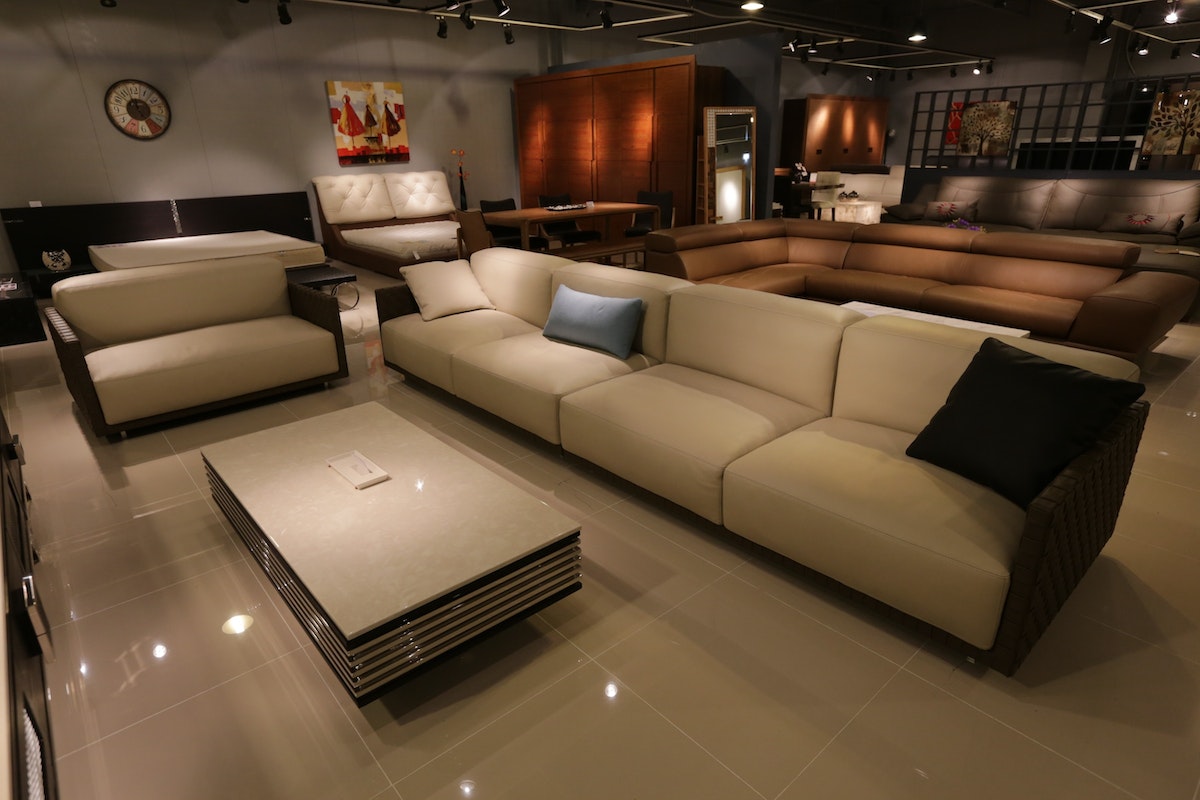
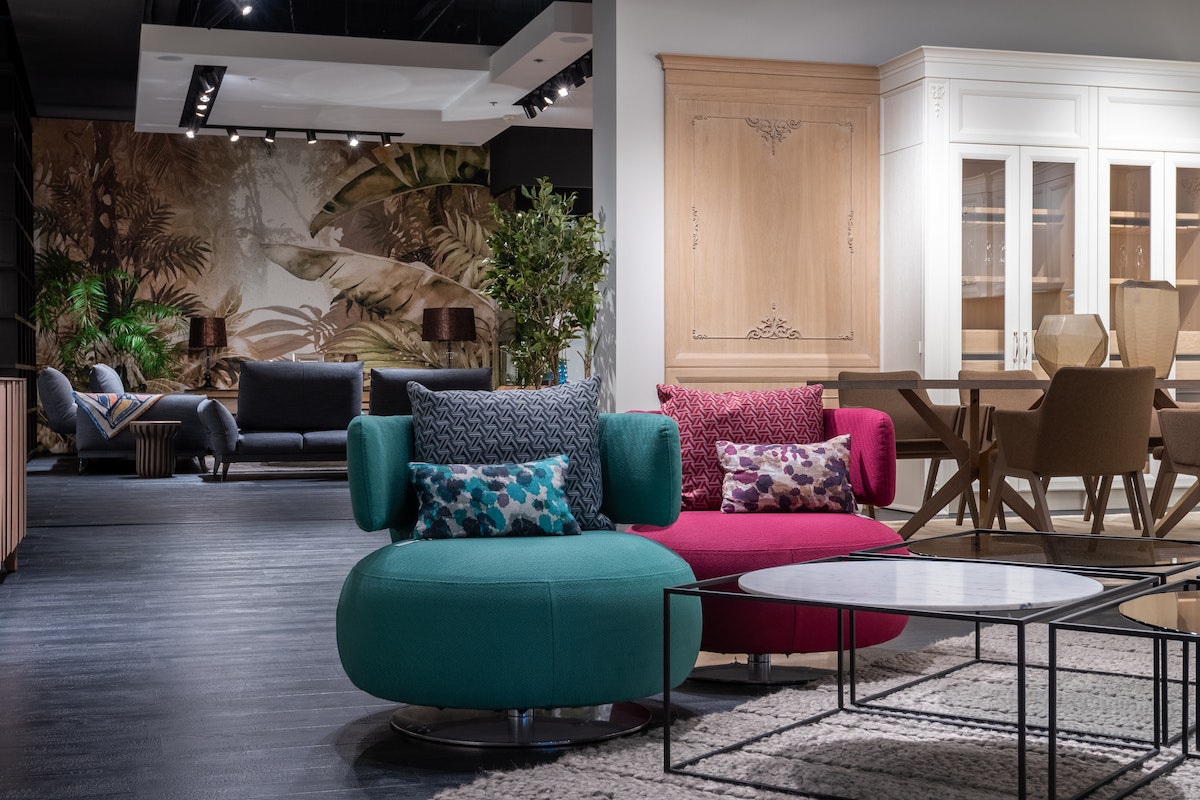
One innovative way to enhance the customer experience and foster loyalty in the furniture ecommerce industry is through virtual showrooms. These digital platforms offer a 3D, immersive shopping experience that replicates the feel of a physical store, enabling customers to interact with furniture virtually before making a purchase.
In the virtual showroom landscape, personalization is the name of the game. Utilizing advanced algorithms and customer data, businesses can tailor the virtual shopping experience to each individual’s preferences. This level of personalization not only enhances customer satisfaction but also increases the likelihood of conversion.
The success of a virtual showroom hinges on its ease of use. Furniture ecommerce platforms should prioritize creating intuitive interfaces that allow customers to explore the virtual space effortlessly. User-friendly navigation ensures that customers can find what they’re looking for without frustration.
One of the challenges in virtual showrooms is ensuring that products are represented accurately. Utilizing high-quality 3D modeling and rendering technology is essential to create a lifelike representation of furniture items. Customers should be able to examine details, textures, and colors with precision.
To bridge the gap between the virtual and physical worlds, integrating augmented reality (AR) into virtual showrooms is a powerful strategy. This allows customers to visualize how furniture will look and fit in their own living spaces, increasing their confidence in making a purchase.
Virtual showrooms provide a unique opportunity for enhanced customer engagement. Businesses can host virtual events, webinars, or live demonstrations within the digital space, fostering a sense of community and connection among customers.
The digital nature of virtual showrooms enables businesses to collect valuable data on customer behavior and preferences. By analyzing this data, ecommerce retailers can continuously refine their offerings and tailor their marketing strategies to suit their audience.
Building loyalty doesn’t end with a successful purchase. Offering exceptional after-sales support through virtual showrooms, such as video tutorials for assembly or maintenance tips, can go a long way in building trust and loyalty among customers.
In the fiercely competitive world of furniture ecommerce, customer-centricity is the key to success. By prioritizing the needs and preferences of customers and leveraging innovative tools like virtual showrooms, businesses can not only survive but thrive in this dynamic market. The unique insights discussed here, from personalization to after-sales support, can help furniture retailers build lasting customer loyalty and secure their position in the ever-evolving landscape of virtual showroom furniture retail. Remember, in this digital age, the customer truly is king, and a customer-centric approach is the throne on which your success rests.
Stop guessing what's wrong with Outlook. Learn to diagnose error types and apply targeted fixes…
Everyday work now involves moving information through laptops, phones, cloud platforms, messaging tools, and increasingly…
Unsynced CRM data across phones and laptops wastes hours and leads to missed follow-ups. Learn…
Explore a practical set of tools for advertising, design, CRM and analytics that revitalize sales…
Learn how boarding school waitlists really work, what timing signals mean, and the exact steps…
Stop paying hidden tech taxes. Learn how next-gen, API-driven programmatic platforms help independent agencies boost…