In a consolidated shipping process, products from multiple suppliers are delivered to one warehouse in China. The warehouse receives, checks, organizes, repacks and combines the products before arranging one international shipment. Continue reading
Buying from several Chinese suppliers gives importers access to more products, better specialization and greater pricing flexibility.
A retailer may purchase packaging from one supplier, accessories from another and finished products from several different factories. An e-commerce business may source dozens of SKUs from 1688, Yiwu Market, Alibaba and specialized manufacturers across China.
The difficulty begins when every supplier finishes production at a different time and wants to ship separately.
Sending each supplier’s goods internationally can create duplicated freight charges, customs documents, destination handling fees and delivery appointments. It also makes quantity checks, labeling and inventory coordination more difficult.
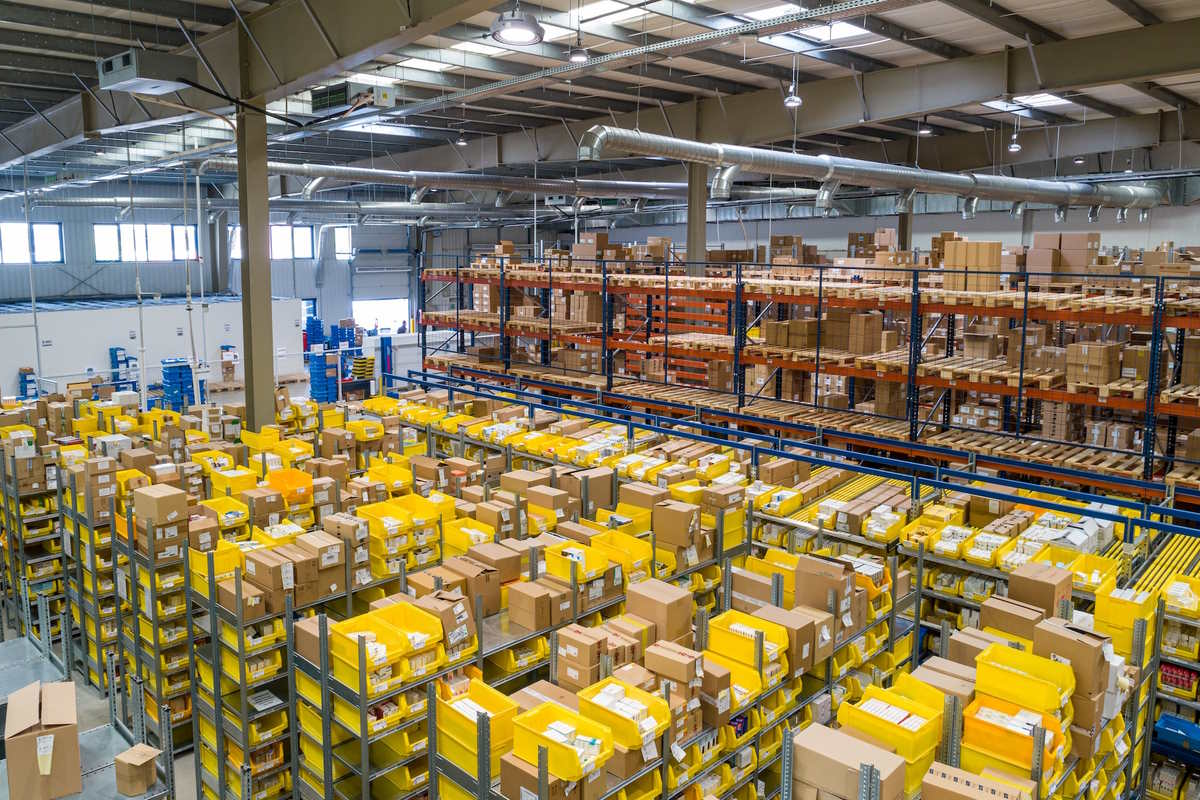
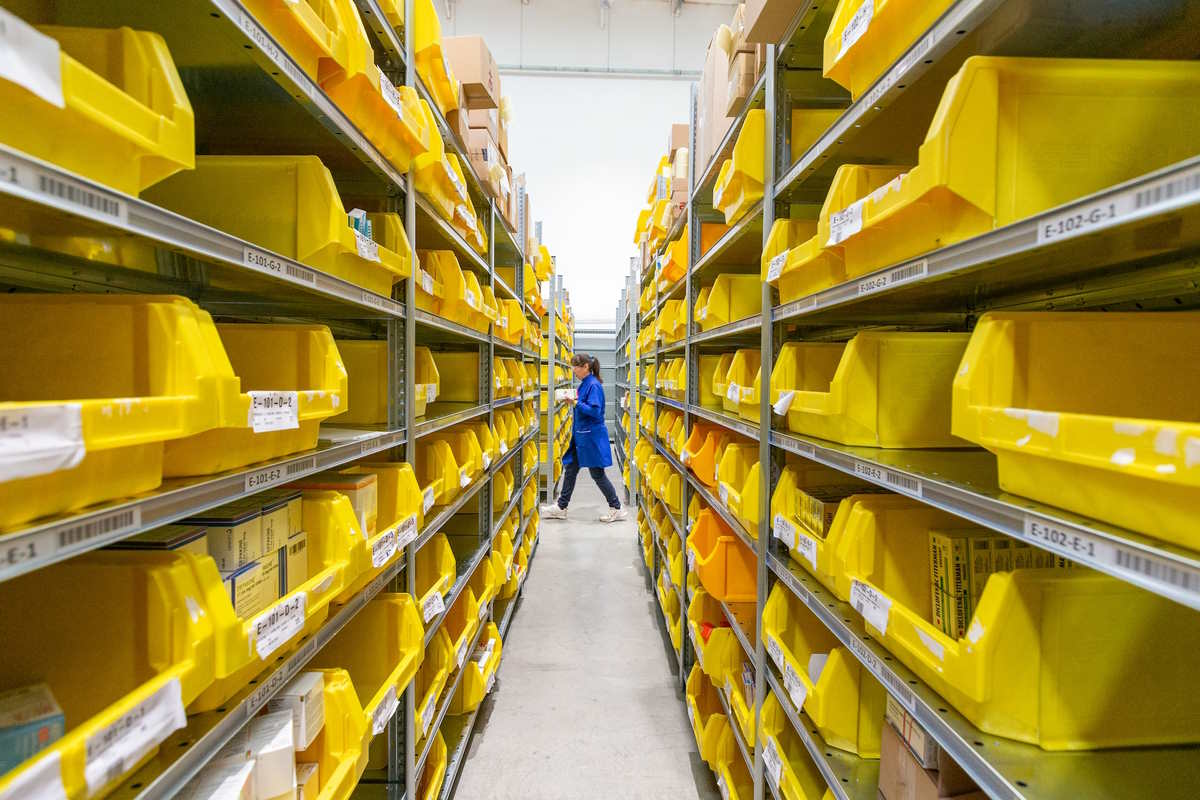
In a consolidated shipping process, products from multiple suppliers are delivered to one warehouse in China. The warehouse receives, checks, organizes, repacks and combines the products before arranging one international shipment.
This guide explains how multi-supplier consolidation works, what it costs and how importers can avoid common mistakes.
Order consolidation is the process of combining products from two or more suppliers into one coordinated outbound shipment.
A typical process includes:
The purpose is not simply to place different cartons in one location. A well-managed consolidation process should provide visibility over every product before export.
Consolidation is especially useful for businesses that purchase multiple products or work with several factories.
An online seller may purchase products, branded packaging, inserts and accessories from different suppliers.
The warehouse can combine them into finished retail or fulfillment-ready units.
Products may need FNSKU labels, carton labels, bundling, poly bags or packaging corrections before delivery to an Amazon fulfillment center.
Wholesalers often purchase many SKUs from Yiwu, Guangzhou, 1688 and different manufacturing regions.
Consolidation allows the products to move in one coordinated shipment.
Retailers can combine products for seasonal collections, store launches and inventory replenishment.
A brand may source the product, retail box, instruction manual, accessories and inserts from separate suppliers.
These components can be assembled or packed together at the warehouse.
Buyers can place smaller orders with several suppliers and consolidate them instead of committing to one large product order.
Separate international shipments may appear easier because every supplier manages its own goods.
However, this approach can increase total costs and reduce control.
Possible disadvantages include:
If each supplier sends one international shipment, the buyer may need to manage six tracking numbers, six commercial invoices, six customs processes and six final deliveries.
With consolidation, the buyer manages the supplier orders separately inside China but receives one coordinated international shipment.
Consolidation is not always necessary.
Separate shipments may be more suitable when:
The buyer should compare the cost and time of consolidation with direct shipment.
A local warehouse can reduce duplicated international charges, but it also adds domestic freight, receiving and handling costs.
Before suppliers start shipping, prepare a centralized order sheet.
It should include:
This document becomes the central reference for the warehouse and buyer.
Without a master list, it may be difficult to identify cartons when suppliers use incomplete or inconsistent shipping marks.
Every supplier order should have a unique warehouse reference.
The reference can be connected to:
For example:
HB-CLIENT01-SUPPLIER03-PO006
The supplier should place this reference on:
A clear reference prevents one buyer’s products from being mixed with another customer’s inventory.
Suppliers should receive the warehouse address and delivery requirements before dispatch.
The instructions may include:
Ask the supplier to send:
This allows the warehouse to prepare for the incoming shipment.
Consolidation depends on every supplier’s completion schedule.
One delayed supplier can hold the entire shipment.
Track:
Do not rely only on the original lead time.
Request regular updates and identify delays early.
The buyer should decide in advance how long completed products can wait in the warehouse for late suppliers.
When goods arrive, the warehouse should create an incoming record.
The record should include:
The warehouse should compare the received carton count with the supplier’s delivery notice.
If the supplier claims to have sent eight cartons but only seven arrive, the issue should be reported immediately.
A basic receiving check is usually limited to shipment identification and visible condition.
It may include:
A receiving check is not automatically a full quality inspection.
Importers should clearly distinguish between:
Each service requires different time and cost.
Multi-supplier shipments often contain quantity or SKU errors.
The warehouse may need to check:
For large orders, the buyer may choose between:
Full counting offers stronger control but requires more labor.
The appropriate method depends on product value, supplier history and order complexity.
Products should be inspected before consolidation when quality risk is significant.
Inspection may take place:
Inspecting at the supplier is often better when rework requires factory equipment.
Warehouse inspection may be convenient when:
Inspection criteria may include:
A warehouse should not make subjective quality decisions without written standards from the buyer.
Products that pass inspection should be separated from products requiring action.
Problematic goods may need:
Do not consolidate failed products into the final shipment until the buyer has made a decision.
The warehouse should maintain clear records of:
Products from domestic Chinese suppliers may not be ready for international retail or fulfillment.
Warehouse work may include:
All files and instructions should be confirmed before work begins.
Incorrect relabeling can create new problems even when the product itself is acceptable.
Suppliers may use cartons designed for short domestic transportation rather than international freight.
Common issues include:
The warehouse may improve packaging by:
Carton optimization can reduce volumetric shipping charges, but product protection must remain the priority.
Not all products should be packed together.
Separate handling may be required for:
Some products may require special declarations, packaging or shipping channels.
Before consolidation, provide the logistics company with an accurate product list.
Do not describe restricted or sensitive products using vague names to obtain a lower shipping quotation.
Incorrect declarations can cause delays, confiscation, penalties or insurance problems.
Once all products have arrived and been approved, the warehouse can create the outbound packing plan.
The plan should show:
For mixed cartons, include a carton-level content list.
Clear carton identification helps with:
International freight should be quoted using final measurements whenever possible.
Required information includes:
Estimated measurements from suppliers may change after consolidation and repacking.
For air and express shipping, chargeable weight may be based on volumetric weight.
For sea freight, volume and destination charges can significantly affect the total cost.
A low freight rate is not useful when it is based on inaccurate measurements.
A consolidated shipment may require:
The commercial invoice should reflect the real products and transaction structure.
When products come from several suppliers, ensure the final documentation accurately represents:
Documentation requirements vary by destination country and product type.
The consolidated cargo can be shipped by:
The correct option depends on:
A mixed strategy may also be used.
For example:
Consolidation does not require every product to use the same transport method.
Consolidation costs vary by warehouse and project.
Possible charges include:
Some providers charge per carton, per SKU, per unit, per cubic meter or per labor hour.
Before shipping products to a warehouse, request a clear fee schedule.
The cheapest warehouse is not always the most economical.
Poor receiving records, incorrect labeling or lost inventory can cost much more than a small difference in handling fees.
Consider an importer purchasing from five suppliers.
Each supplier has four cartons, creating a total of 20 cartons.
Each supplier ships four cartons internationally.
Possible costs include:
Assume the combined cost is $3,900.
The products are sent to one China warehouse.
Additional China-side costs include:
Total cost: $3,620.
The direct saving in this example is $280.
However, the buyer also gains:
This example is illustrative. Consolidation can save more or less depending on supplier locations, cargo size and shipping method.
Potential savings may come from several areas.
Freight companies often apply minimum charges to every shipment.
Combining small orders can reduce repeated minimum fees.
Products can be repacked into more efficient cartons.
Some clearance, terminal and delivery charges apply per shipment rather than per product.
The buyer may avoid paying for several separate deliveries.
A combined order may reach the minimum size required for a more economical freight option.
For example, several small express shipments might become one air or sea freight shipment.
Consolidation is not automatically cheaper.
Costs may increase because of:
The buyer should compare the complete cost of both methods.
A proper comparison includes:
Separate shipping cost
versus
China domestic freight + warehouse costs + consolidated international freight + destination costs
Warehouse location affects domestic transportation cost and delivery time.
A warehouse near Yiwu may be efficient for suppliers in Zhejiang and nearby wholesale markets.
A warehouse in Guangzhou or Shenzhen may be better for suppliers in South China.
A warehouse should be selected based on:
When suppliers are distributed across China, the most central location is not always the most economical.
The location should balance domestic freight, warehouse service and international logistics access.
The timeline depends largely on the slowest supplier.
A typical process may include:
Buyers should not calculate the shipment date using only the fastest supplier’s completion time.
Create a cut-off date.
For example:
All goods received by August 10 will be included in Shipment A. Products arriving later will move to Shipment B.
This prevents one delayed supplier from holding the entire order indefinitely.
Unidentified cartons may be delayed, misplaced or assigned to the wrong project.
The warehouse cannot prepare when suppliers arrive without delivery information.
Counting cartons is not the same as checking product quality.
A low-value delayed order can increase storage costs and hold more important inventory.
Removing original packaging may damage products or create compliance issues.
Mixed cartons are difficult to receive and distribute at the destination.
Final weight and volume may change after repacking.
Batteries, liquids, magnets and other sensitive goods may require separate handling.
Different names across invoices, labels and packing lists can create customs confusion.
Claims are harder to resolve without clear evidence.
Supplier delays are common in multi-supplier projects.
Possible strategies include:
Tell every supplier when the goods must reach the warehouse.
Do not schedule international freight immediately after the promised production date.
Ship completed products first when the delayed goods are not essential.
A delayed packaging component may require holding the corresponding product, but unrelated SKUs can move.
The main shipment can move by sea while delayed urgent products follow by air.
For repeat suppliers, negotiate responsibility for costs caused by avoidable delays.
Amazon sellers may use a China warehouse to prepare products before final delivery.
Possible services include:
The seller should confirm the current fulfillment requirements for the destination marketplace.
Warehouse instructions should include:
Incorrect preparation can cause relabeling fees, receiving delays or inventory rejection.
Consolidation for Private-Label Products
A private-label product may involve several suppliers:
The warehouse can receive these components and create the final retail-ready product.
This process may include:
The buyer should provide a detailed assembly and packaging guide.
A reference video or approved finished sample can help reduce errors.
Before suppliers ship to the warehouse, confirm the following.
Supplier Management
Warehouse Receiving
Quality Control
Packaging and Labeling
International Shipping
When a Sourcing and Fulfillment Partner Helps
Managing several suppliers requires communication, recordkeeping and local coordination.
A sourcing and fulfillment partner may assist with:
For example, HubBuyer can coordinate products from 1688, Alibaba, Yiwu suppliers and Chinese factories through one purchasing, warehouse and shipping workflow.
This can be useful for buyers who:
The buyer should request transparent supplier prices, itemized service fees and regular warehouse updates.
A consolidation provider should improve visibility rather than create another layer of uncertainty.
Questions to Ask a Consolidation Warehouse
Before sending goods, ask:
Clear answers help prevent unexpected fees and operational problems.
Consolidating products from multiple Chinese suppliers can reduce duplicated shipping work, improve inventory visibility and simplify international delivery.
However, consolidation is most effective when it is managed as a structured process.
Importers should:
The greatest benefit is not always the lowest freight price.
For many buyers, the real value comes from knowing that the right products, quantities, labels and cartons have been confirmed before the shipment leaves China.
A silent update broke Claude's desktop sidebar sort order and thread limits. See what changed,…
Learn what the Amazon Account Health Rating measures, how the color coded page works, what…
Transform your homeowners association with modern technology and practices. Discover digital tools, communication platforms, and…
Choosing the right platform to manage your corporate governance responsibilities is a decision that can…
Aged and expired domains remain one of the most reliable head-starts in SEO: a name…
The bottom line: The best AI video translators for marketing agencies in 2026 are Synthesia,…