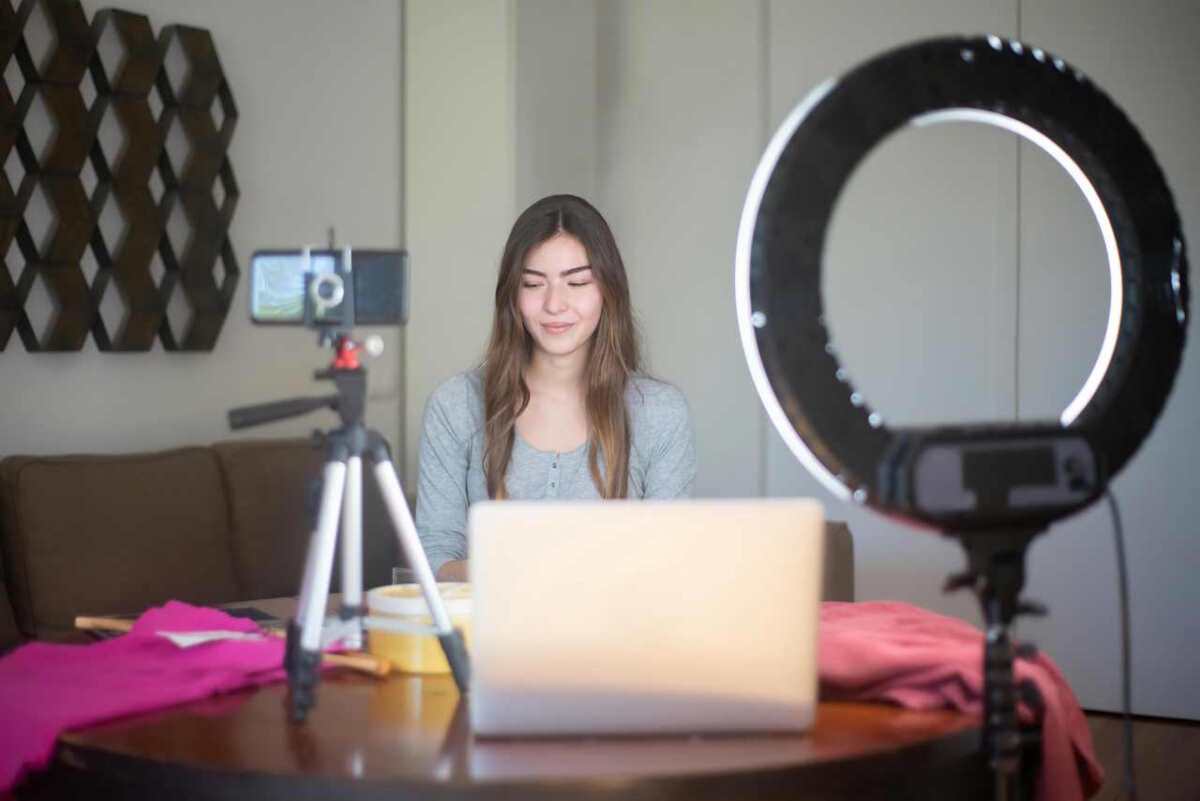
The landscape of digital content creation has undergone a seismic shift over the past few years. We have moved from an era where high-quality production was reserved for those with expensive studios and years of technical training, to a “democratized” creative economy. Today, the most valuable currency for a creator is not their equipment, but their ideas.
As we navigate 2026, the integration of Artificial Intelligence into the creative workflow has reached a professional maturity. Among the most impactful developments is the rise of sophisticated audio platforms like Tad AI. For the average YouTuber, podcaster, or small business owner, these tools are no longer just “experimental”—they are essential components of a competitive digital strategy.
For a long time, AI music was seen as a “gimmick” capable of producing only short, repetitive jingles. This was a major pain point for video editors and filmmakers who needed background scores that could sustain a narrative.
The Tad AI Music Generator has effectively solved this “duration gap.” By supporting high-fidelity generations of up to 8 minutes, the platform allows creators to produce full-length tracks that maintain structural and thematic consistency. This means:
While music sets the mood, voice carries the message. For many independent creators, recording high-quality voiceovers is a logistical nightmare involving expensive microphones, soundproofing, and multiple retakes.
This is why the Tad AI Text to Speech engine has become a staple in the modern creator’s toolkit. It isn’t just about “reading text”; it’s about narrative delivery.
One of the most underrated features of the Tad AI ecosystem is the Library. In 2026, creation is rarely a solitary act. The Library functions as a centralized hub where the “community” and “private storage” intersect.
When you visit the platform’s home page, you aren’t just looking at a tool; you are looking at a Social Gallery.
A professional-grade tool must cater to both the “hurried” creator and the “perfectionist” producer. Tad AI manages this balance through two distinct workflows:
For the creator who needs a “lo-fi hip hop beat for a study vlog” right now, Smart Mode uses natural language processing to turn a simple description into a finished track. It’s the fastest way to get from a blank page to a high-quality audio asset.
For those who want to get their hands dirty, Custom Mode offers surgical precision:
The real winners in the AI revolution are the “average” creators. Small business owners can now produce high-end commercials without a five-figure production budget. Indie game developers can generate 8-minute ambient soundtracks that make their worlds feel immersive.
The accessibility of the Tad AI Music Generator and the Text to Speech engine means that the “technical barrier” has been replaced by a “creative barrier.” Success now depends on who can tell the best story, not who has the most expensive studio.
As we look at the trajectory of digital content, audio is no longer an afterthought. It is the primary driver of engagement on platforms like YouTube, TikTok, and Spotify. By leveraging an ecosystem like Tad AI, creators are effectively hiring a virtual production team that works 24/7.
Whether you are using the Tad AI Text to Speech engine to localize your videos for a Spanish-speaking audience, or exploring the community Library to find the perfect 8-minute track for your documentary, the message is clear: the tools are here, the community is ready, and the only thing left to do is create.
Ready to give your ideas a voice? Start your first project at Tad AI today.
Getting a website up and running feels like it should be simple. You have a…
Boston’s admin-talent market is sizzling. Fifty-four percent of hiring managers say finding skilled support is…
Pool maintenance is often approached as a series of tasks. In practice, it functions more…
The Rise of Automated Trading with Python Financial markets have changed a lot over the…
Ideas, designs, source code, documents, and strategies are worth more than the physical assets within…
This is a moment no one prepares for. How could you be prepared for something…