Pool maintenance is often approached as a series of tasks.
In practice, it functions more like a system.
When that system is broken down into its core components, the difference between inconsistent results and stable conditions becomes easier to understand.
These four factors operate simultaneously. Stability depends on how well they are managed together.
Traditional pool maintenance relies on periodic intervention.
Cleaning happens at scheduled moments or in response to visible changes. This approach assumes that conditions remain relatively stable between those intervals.
In variable environments, that assumption breaks down.
Debris accumulates unevenly. Some areas require more frequent attention than others. Between cleaning cycles, imbalance begins to form.
Interval-based maintenance addresses visible issues but often leaves underlying imbalance unchanged.
This leads to repeated correction rather than sustained stability.
Within this framework, automatic pool vacuums function differently from manual tools.
They operate continuously rather than periodically, reducing the gaps where debris accumulation begins. Instead of reacting to visible changes, they maintain baseline conditions across the pool.
This shifts maintenance from correction to prevention.
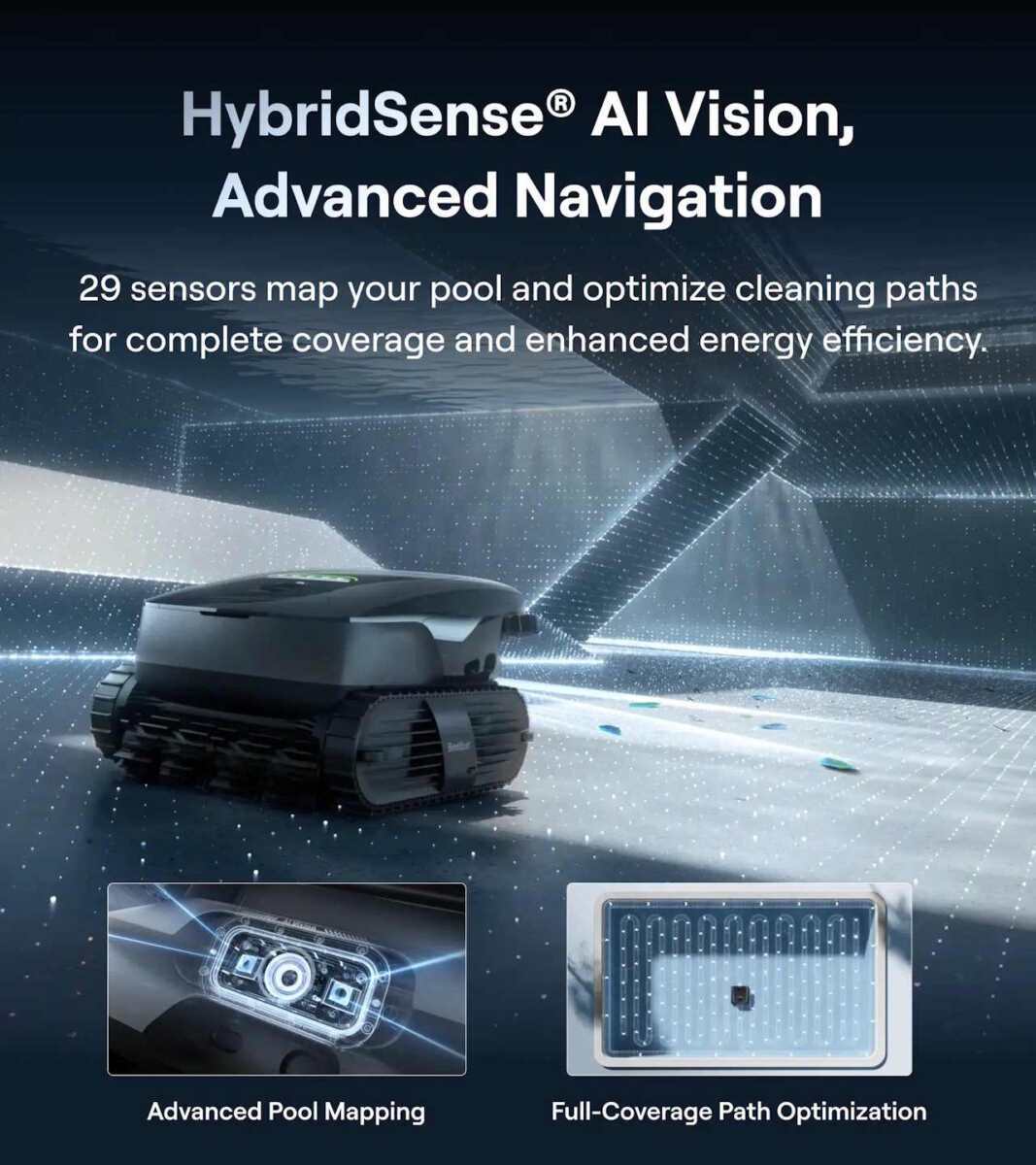
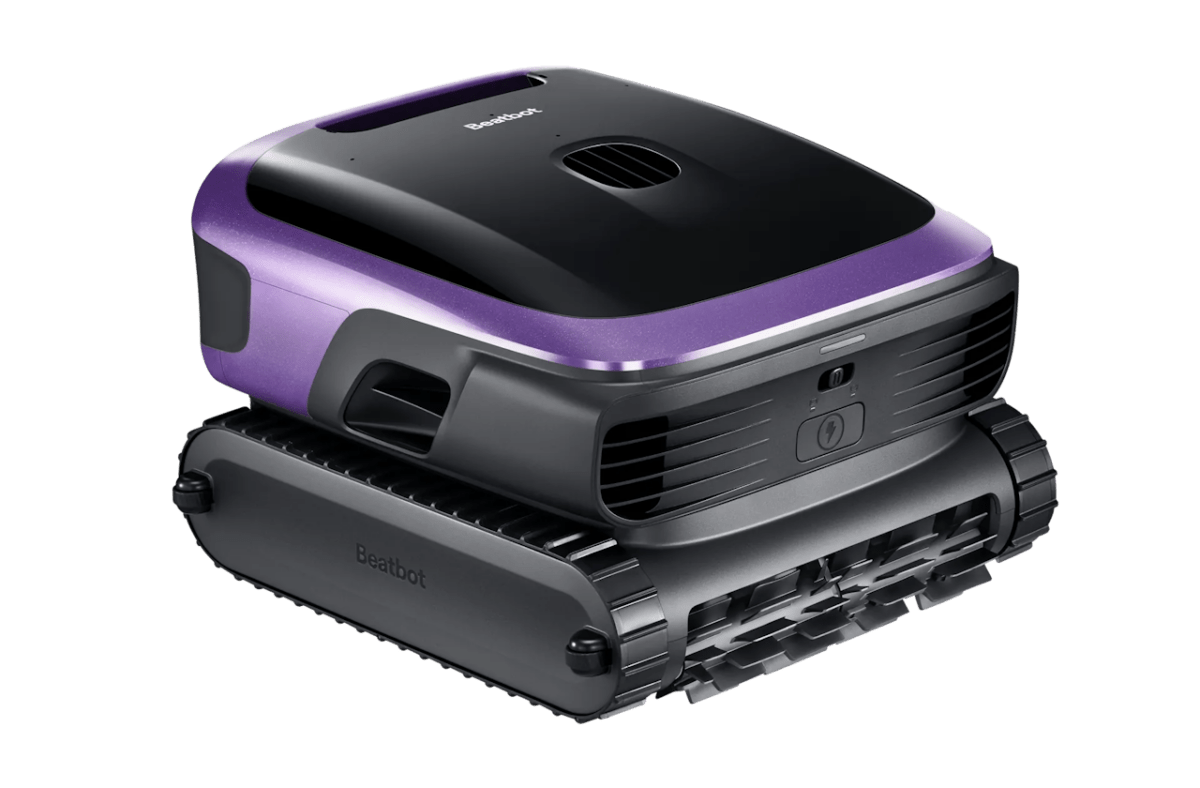
Systems like the Beatbot AquaSense X illustrate how automatic pool vacuums operate as part of a continuous maintenance layer, addressing variation before it becomes visible.
Their role is not to increase effort, but to stabilize outcomes.
Inground pools introduce additional variables.
Depth transitions, built-in steps, and irregular geometries influence how debris moves and settles. These structural features create localized zones where accumulation occurs more frequently.
Without consistent coverage, these zones require repeated manual correction.
An inground pool vacuum operates within this complexity by maintaining coverage across different surfaces and depths.
In this context, an inground pool vacuum such as the Beatbot Sora 70 is designed to adapt to structural variation, ensuring that no area consistently falls behind.
The focus is not on isolated cleaning, but on maintaining balance across the entire structure.
The distinction between tools and systems defines the evolution of pool maintenance.
A tool is used at a specific moment to achieve a specific result.
A system operates continuously to maintain a defined state.
Maintenance becomes more predictable when it operates continuously rather than reactively.
This shift changes how stability is achieved.
Instead of relying on repeated intervention, the system sustains conditions over time.
When maintenance operates as a system, its impact extends beyond cleaning.
There is no need to schedule cleaning sessions. No need to evaluate pool conditions before use. No need to correct visible inconsistencies.
The pool remains in a consistent state.
Daily use becomes independent of maintenance activity. The system operates in the background, allowing the pool to function as intended without interruption.
Pool maintenance is not defined by how often cleaning happens. It is defined by how consistently conditions are maintained. Understanding that distinction allows homeowners to move from repeated correction to stable operation. And within that shift, maintenance becomes less about effort—and more about structure.
CRM data is most useful when it reflects what is actually happening with customers. Continue…
Mobile trading apps have changed how retail investors access and interact with the Indian stock…
Fresh MMO launches are exciting precisely because everything feels unfinished. Characters are weak, routes are…
Nearly half of American homeowners — 47%, according to a December 2025 Rocket Mortgage survey…
Before deciding between search ads, social posts, or guest articles, define what counts as a…
Key Takeaways Top-ranked coverage: Roto-Rooter lands at number one with a 4.8-star rating and more…