Managing a warehouse today is like solving a giant puzzle with moving parts. Every box and every minute counts toward the bottom line in this fast-paced business world.
Small changes in how things move can save thousands of dollars for a company. These core principles help teams work smarter instead of harder on the warehouse floor.
Smart storage starts with knowing when to restock items on the shelves. A trade magazine mentioned that using kanban-controlled shelves makes space use better by restocking only when necessary.
Stock levels stay low, which means less money is tied up in products. Managers can see exactly what they have without counting every single piece of inventory every day.
Picking speeds increase when workers do not have to search through piles of old boxes. A lean system makes it easier for everyone to find the right items quickly.
Managers need to look at historical data to predict busy days for the crew. Since a focus on warehouse staffing and workforce planning leads to fewer errors, it keeps the operation moving. The balance is key for any growing business.
Training workers for multiple roles keeps operations running smoothly during busy weeks. If one person is out sick, someone else can step in without a drop in speed.
Clear communication prevents mistakes during shift changes on the warehouse floor. Detailed instructions mean the next crew knows exactly which tasks are the most urgent. Strong leadership makes a huge difference in daily output.
Data helps managers decide where to put their best tools and equipment. An industry article explained that digital tools offer ways to improve safety and use data to plan resources better.
Predictive analytics can show which days will be the busiest for the shipping crew. Leaders can move machines to busy areas before a bottleneck starts to slow down the work. Staying ahead of the rush is the best way to keep costs low.
Modern software tracks every movement to find tiny delays in the fulfillment process. Fixing these small gaps leads to a much faster shipping cycle for the entire facility. Continuous improvements make the whole operation more profitable.
Warehouses act as a link between suppliers and final shoppers. Every part of this network must move in sync for success. This harmony keeps the flow of goods steady.
A retail news report noted that major department stores are streamlining their supply chains to increase efficiency. This focus on the broad network keeps the entire operation profitable.
Better coordination with shipping partners reduces the time trucks spend at the dock. Faster turnarounds mean more orders go out to buyers every day. Speed at the dock matters just as much as speed in the aisles.
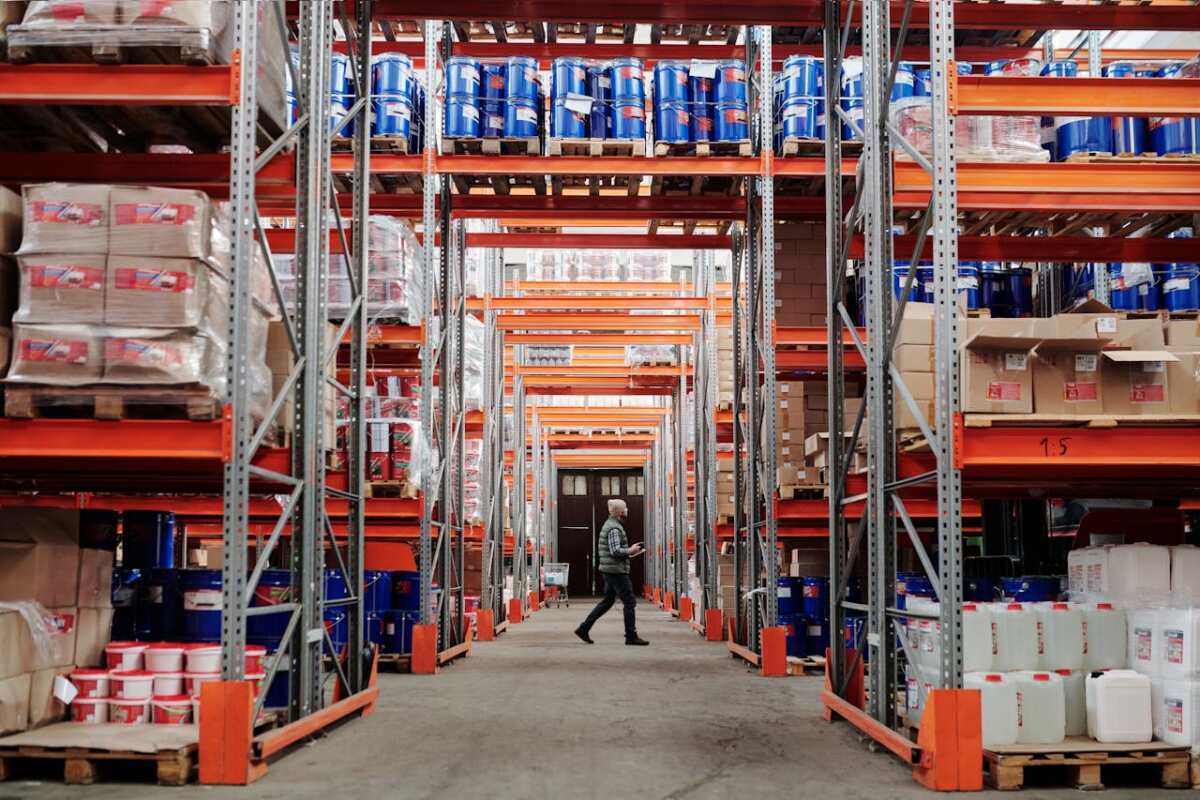
Vertical storage is a great way to gain room without moving to a bigger building. Tall racks keep the floor clear for forklifts and foot traffic to move safely. Using all the space up to the ceiling is a smart move.
Organizing items by how often they are ordered saves miles of walking for the pickers.
Clear paths help everyone move with more confidence throughout the day. Safety improves when the layout makes sense to the newest team members on the floor. A logical floor plan is a key part of a fast warehouse.
Tablets and scanners replace slow paper forms on the warehouse floor. These devices show live updates so the team knows the status of every order. Live info is better than waiting for a report at the end of a shift.
Simple software cuts the time spent on manual data entry. This change lets the crew spend more energy on packing and shipping items. Work moves faster when the tech stays out of the way.
Better systems pay for themselves quickly through higher accuracy. Speed keeps customers happy, so they return for more orders. Modern tech is a must for any warehouse that wants to win.
A safe warehouse is a productive warehouse for everyone involved. Regular training sessions help the crew spot hazards before someone gets hurt on the job. Taking time for safety actually saves time in the long run.
Quality checks should happen at every stage of the picking and packing process. Catching a mistake before it leaves the building saves money on returns and shipping fees. Accuracy is the foundation of a good reputation in this industry.
Investing in ergonomic tools reduces strain on the workers during long shifts. A comfortable team is more likely to stay focused on its shipping goals. Happy workers stay with the company longer and do better work.
Smart owners know that warehouse speed keeps growing, and tiny changes lead to big profits. Staying open to new ideas helps the company grow.
Follow these simple steps to build a faster shipping facility. A smooth operation supports every single part of a retail business. Success in logistics starts with a clear plan and a solid work team.
When most people think about debt, they think about numbers. Interest rates, balances, minimum payments,…
Healthcare software is no longer judged solely by usability or speed to market. In today’s…
QuickBooks earns its place in thousands of growing companies because it makes accounting manageable. It…
Copied and plagiarized content damages trust within seconds. If you get the label of a…
The Amazon Marketing agencies that deliver real, sustainable growth understand that success on Amazon requires…
You spent time designing the mailer, paid for printing, covered postage, and sent it out…