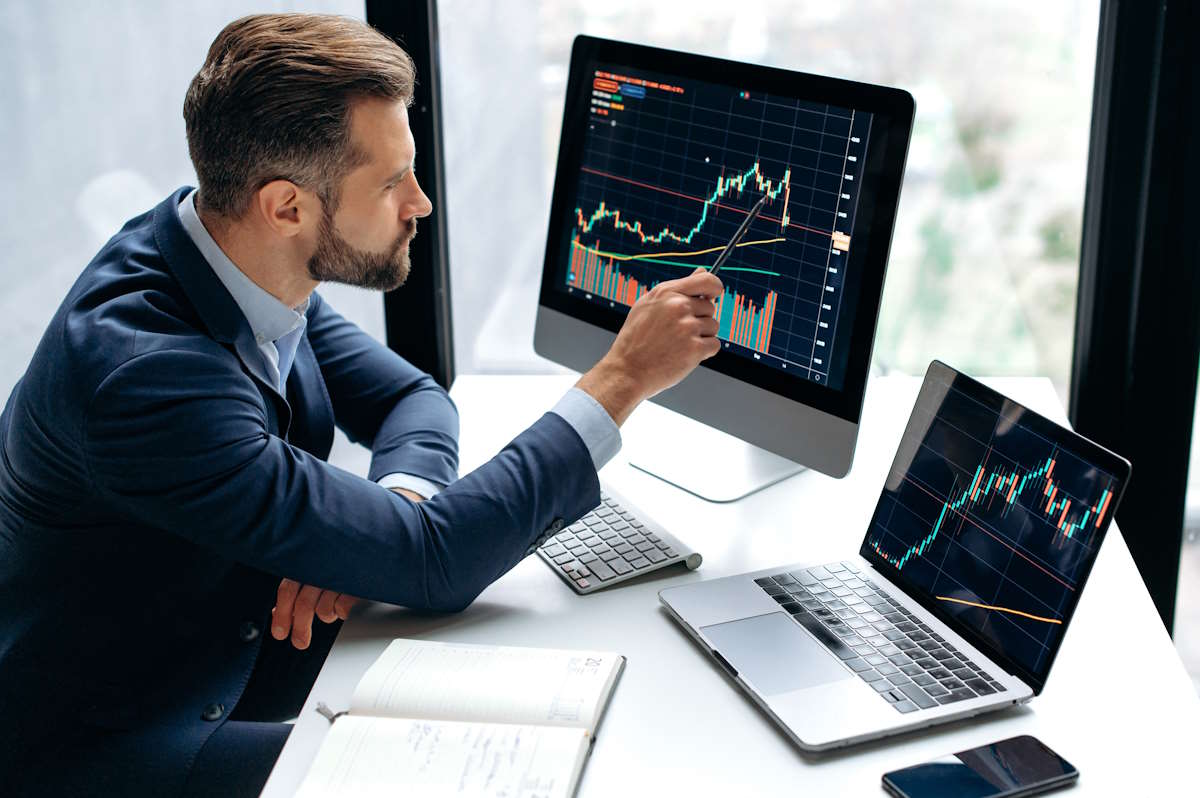
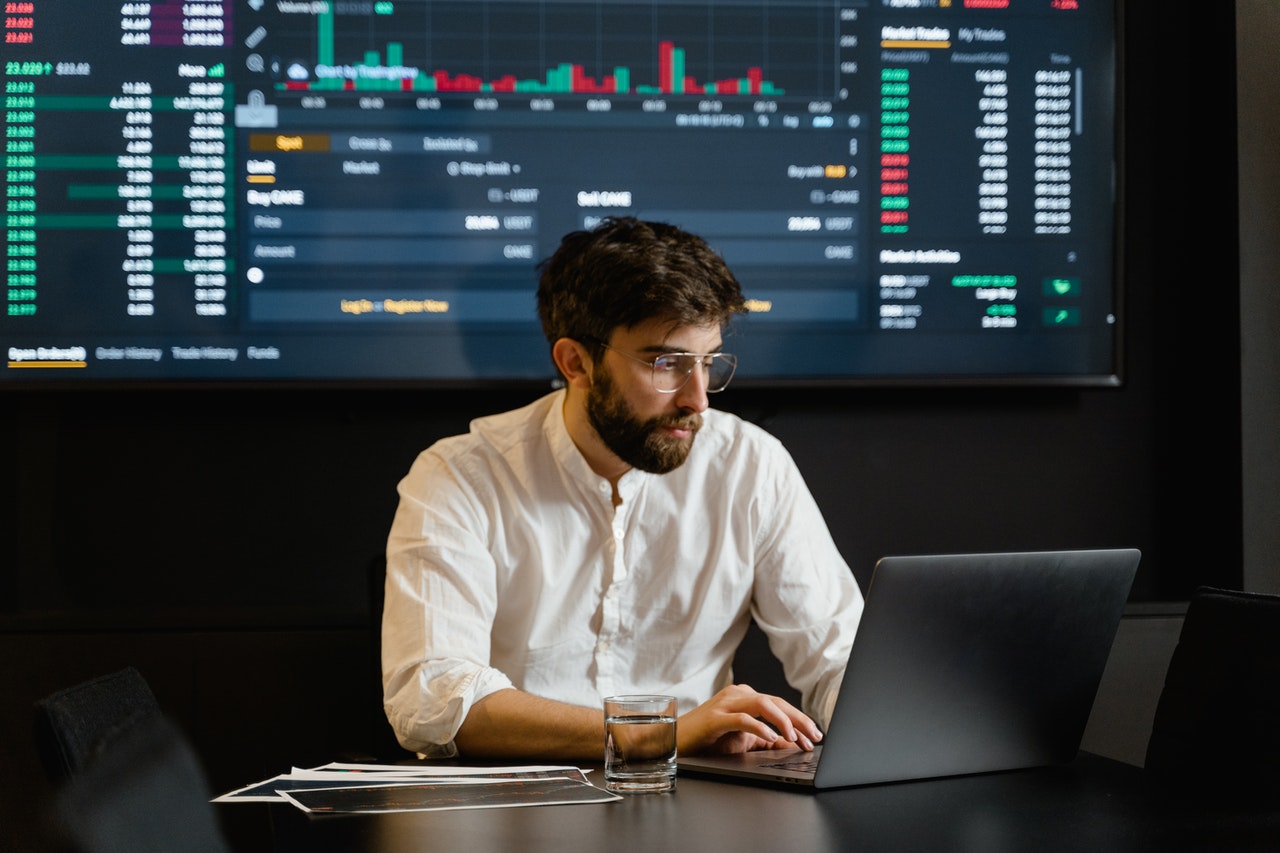
AI trading bots can analyze faster, execute more precisely, and remain calm when markets go wild. But they don’t understand greed, fear, or geopolitics the way humans do Continue reading
The idea of letting a robot trade your money sounds both exciting and terrifying. On one hand, it promises discipline, speed, and data-driven precision. On the other, it feels like surrendering control to a machine that might not understand market chaos or human intuition. So, can you really trust an AI trading bot to manage your capital? The answer is not black and white. It lies somewhere between technological excellence and human oversight.
Artificial intelligence has revolutionized trading in ways that were once hard to imagine. It can process enormous datasets, recognize subtle patterns, and react to changes faster than any human could. AI trading bots tickeron.com/bot-trading/ combine statistical analysis, technical indicators, and real-time data to generate trading decisions with minimal emotional bias.
Here’s what makes them so attractive to traders:
For many traders, that consistency alone is reason enough to trust automation.
AI bots shine in structured, data-heavy environments where human intuition often fails. They thrive on repetition and measurable logic.
In essence, AI brings a level of discipline and endurance that no human can sustain.
Despite all the advantages, AI trading bots are not infallible. They are powerful, but they operate within limits defined by code, data, and logic. And markets don’t always play by those rules.
The best traders know that AI should enhance human decision-making, not replace it entirely.
The smartest way to use an AI trading bot is not to trust it blindly but to work with it strategically. Humans provide context, intuition, and adaptability – AI provides consistency, speed, and analytical power.
Here’s how professional traders combine both:
In this model, AI becomes a partner, not a master.
Trusting a machine with your money also raises deeper questions. Some traders feel uneasy because AI decisions can be opaque – they don’t always explain why a trade was made. Transparency and explainability are becoming key features of modern platforms.
At the same time, psychology matters. AI helps remove emotional bias, but it can also make traders complacent. When profit comes automatically, vigilance tends to fade. Responsible traders understand that automation still requires awareness.
So, can you trust a robot? Yes – but with clear rules, constant supervision, and a healthy dose of skepticism. AI trading bots can analyze faster, execute more precisely, and remain calm when markets go wild. But they don’t understand greed, fear, or geopolitics the way humans do.
The real power emerges when human intelligence and artificial intelligence work together. Traders who blend automation with insight gain the best of both worlds: the efficiency of a machine and the wisdom of experience.
Trust your bot – but verify its every move. That’s how modern trading truly evolves.
A consistent routine can make the setup easier to maintain. The goal is not to…
If you want a luxury SUV that feels exciting but still gives you room to…
Three weeks into a job search, a recruiter calls and says, pleasantly, “Your resume says…
Every six months, even when you’re not looking. Continue reading →
You want to achieve balance in your sales and service teams? Explore top strategies that…
The dryer was still ticking as it cooled when I sat sideways in the driver's…