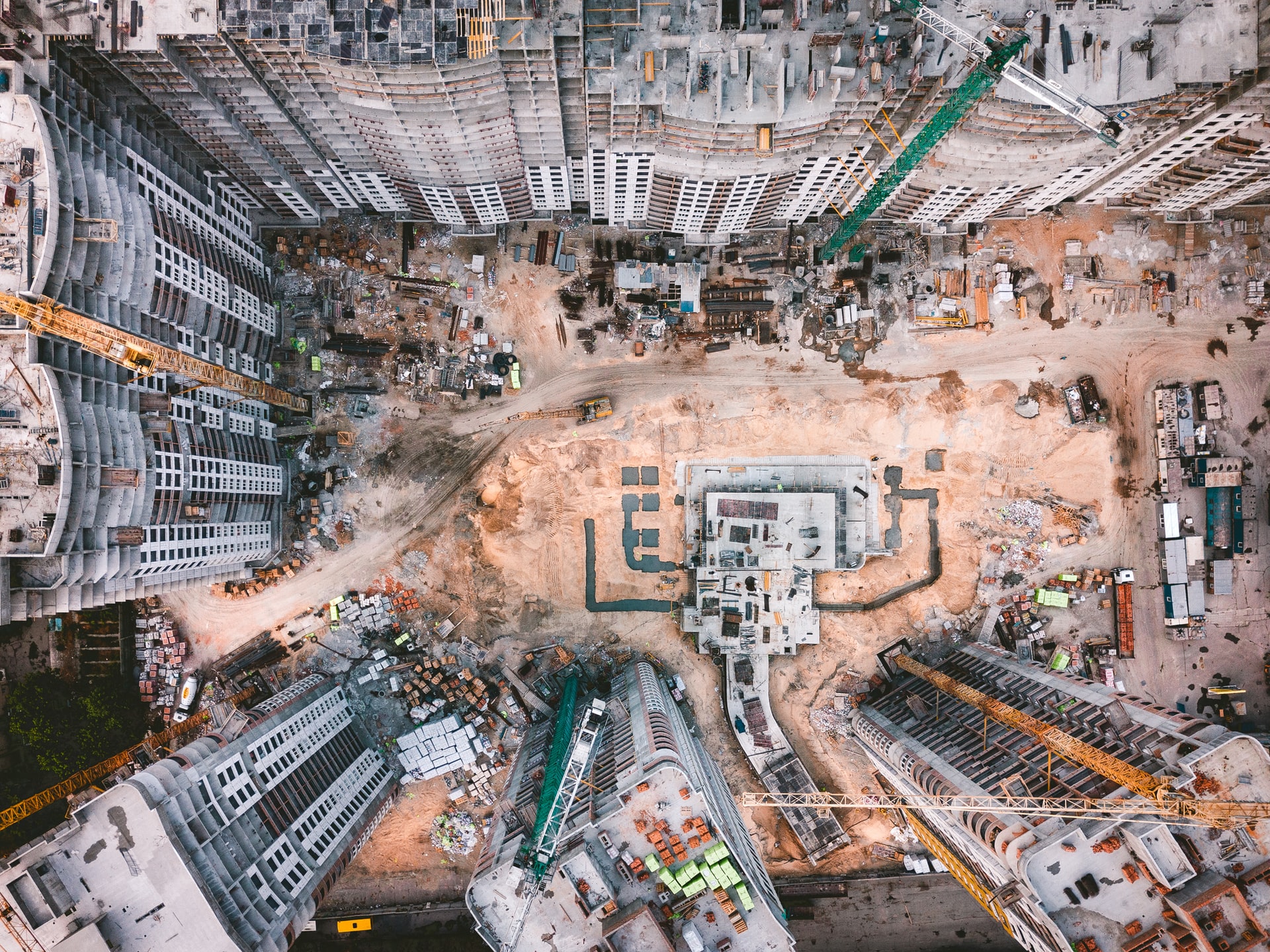
Building Information Modelling (BIM) has given architects greater control of the surveying and modeling of projects. It has also further enabled greater collaboration between architects, engineers, contractors, and stakeholders helping make better decisions on projects. As more of what was perceived to be the traditional workspace is being moved to remote work ideals, that is to say in employees’ homes, BIM will play a greater part in architects’ lives. This article is dedicated to seeing how architects will further benefit from the technology in the coming year.
When Autodesk published their paper titled “Building Information Modeling” only the very optimistic would have predicted that the technology would be a foundation stone in a market expected to top over 16 billion USD by 2025, but that is the current trajectory for the industry. Initially, for architects, in particular, the technology didn’t promise much in revolutionizing how architects went about their business. Over 18 years later the same view can no longer be supported.
In general, the technology has improved workflow by streamlining processes. Collaboration has always been one of the great advantages of BIM but for architects, an improved ability to de-risk projects and deliver a higher standard of outcome has seen the technology adopted steadily by the profession.
Being able to host 3D structures will always have a use. BIM furthered this ability by being able to test structures using comprehensive physics engines which can be used to test the more mundane aspects of the design. Increasingly, these tools can be used to test how the building would respond in the advent of a natural disaster like an earthquake.
Before even the thought of ground being broken for a foundation, BIM can help pitch ideas to clients. This ability is being further advanced through the incorporation of virtual reality technology. This can allow potential clients or property investors to “walk” through the designs in the virtual design. Another technology that can further help when the construction process begins is augmented reality which can be used on-site to address needs or update clients on how the final project is completed.
Greater collaborative ability can foreseeably improve creativity amongst teams. This is a hard parameter to measure; however, one that is not hard to quantify is cost. Those employing BIM architecture principles have been able to reduce costs and be more competitive in the marketplace. Much of the reduced cost is a result of the design process taking far less time, resulting in cost saving. Cost reductions have also been noticed when mistakes are detected early and can easily be rectified before a contractor has even laid cement.
In the coming years, the BIM uses in architecture are expected to be further improved with the incorporation of AI and machine learning technologies. These are expected to further reduce error and promote higher levels of information transfer without the need for human intervention.
Stop guessing what's wrong with Outlook. Learn to diagnose error types and apply targeted fixes…
Everyday work now involves moving information through laptops, phones, cloud platforms, messaging tools, and increasingly…
Unsynced CRM data across phones and laptops wastes hours and leads to missed follow-ups. Learn…
Explore a practical set of tools for advertising, design, CRM and analytics that revitalize sales…
Learn how boarding school waitlists really work, what timing signals mean, and the exact steps…
Stop paying hidden tech taxes. Learn how next-gen, API-driven programmatic platforms help independent agencies boost…