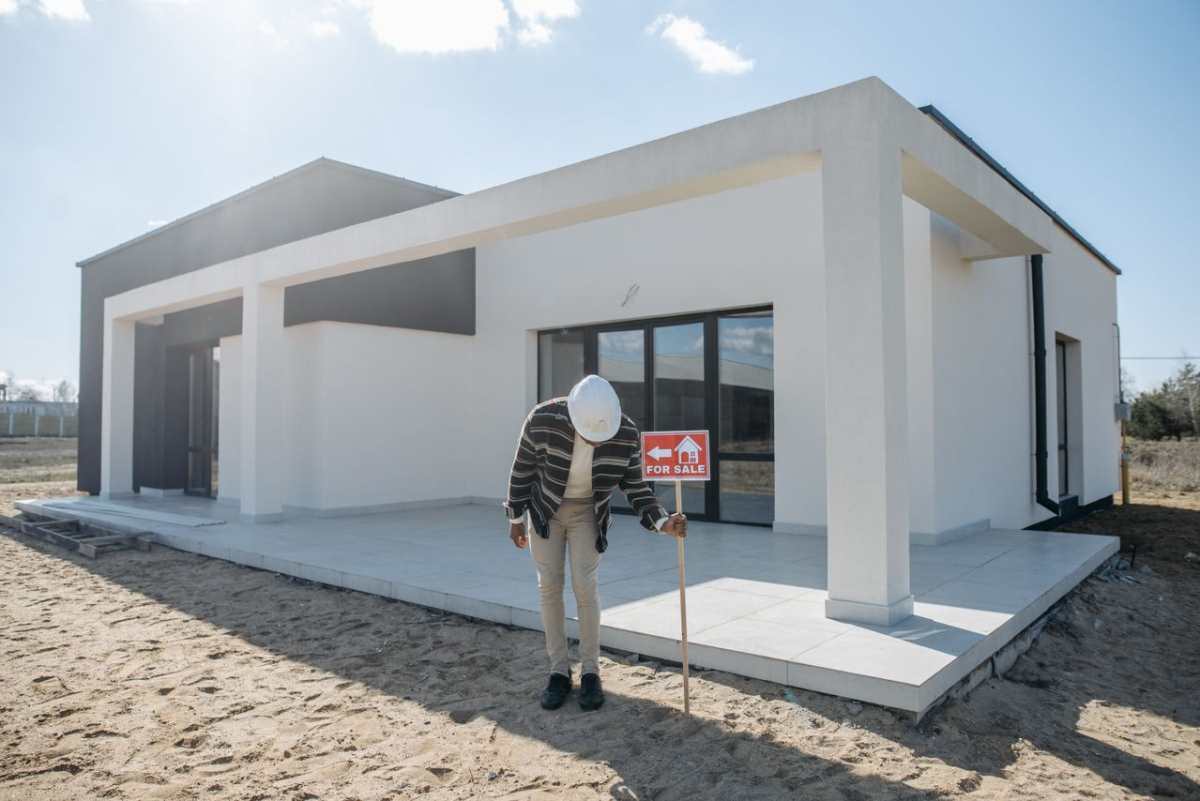
Demand for a residential development should not begin on groundbreaking day. By that point, developers may already have committed capital to land, design, approvals, consultants, and early construction activity. A specialist real estate developer marketing agency starts much earlier, using research, positioning, visual communication, and lead generation to test the market before physical work becomes visible. Early demand can support financing discussions, reduce pricing uncertainty, and give the sales team a pool of prospects to work with before launch. It also helps developers see which buyer groups respond to the concept and which parts of the offer need refinement. Teams assessing external partners can visit the website to review relevant work, but the more important question is whether the agency can connect pre-launch marketing activity with real sales readiness.
The scale of the housing market shows why timing matters. The U.S. Census Bureau estimated that 679,000 new single-family homes were sold in 2025, while the median price of new houses sold in December 2025 was $414,400. These figures are not a direct benchmark for large developments, but they illustrate the amount of capital moving through new-home sales. Pre-construction marketing lets developers build market evidence before release, rather than waiting for completed structures to create interest. It can also help establish waitlists, test messaging, and compare response to different unit types or price bands.
The first stage is research, not creative production. Before naming the project or commissioning campaign visuals, the marketing team needs to understand local supply, likely buyers, competing developments, price positioning, and the reasons people choose one location over another. A property development marketing agency may combine public market data, competitor audits, broker input, search behavior, demographic patterns, and the developer’s own sales information.
That research becomes useful when it is translated into specific buyer profiles. A first-time buyer may prioritize monthly affordability, transport connections, practical layouts, and local services. A local upgrader may care more about larger floor plans, schools, parking, or outdoor space. International investors may focus on ownership structure, rental potential, management, and long-term location fundamentals. These profiles should guide both the message and the media plan.
A real estate development marketing company should also challenge assumptions. If the original concept targets one audience but early research points to another, the developer needs to know before campaign budgets are committed. Market intelligence can influence advertising, amenity emphasis, unit presentation, release sequencing, and pricing discussions. The point is to build a demand strategy around observable buyer behavior rather than internal preference.
Before construction, the project is largely an idea. Branding gives that idea a recognizable form. The name, visual identity, tone of voice, photography direction, messaging framework, and architectural story should explain what the development represents without relying on vague claims about premium living or exceptional lifestyle.
Strong property development marketing services connect the brand with the product itself. If the scheme is built around walkability, family living, waterfront access, design heritage, sustainability, or convenience, those qualities need to appear consistently across every sales touchpoint. The brand should also leave room for later phases. A multi-building project may need individual release identities, but they should still feel connected to the same wider destination.
Storytelling is most effective when it makes an unbuilt place understandable. It can explain why the architecture looks a certain way, how residents will move through the site, what the surrounding neighborhood offers, or why the amenity mix matters. A real estate development marketing agency should translate technical design information into buyer language without overstating what hasn’t been delivered yet. That discipline builds credibility before there is a finished building to inspect.
Visual assets do much of the practical work before groundbreaking. Buyers cannot walk through the completed apartment, stand on the balcony, or see the finished landscaping, so the digital experience has to bridge the gap between drawings and a future physical place. Select the strongest assets for a specific sales purpose rather than creating them simply because the technology is available.
Key digital assets for pre-groundbreaking demand generation:
· Photorealistic 3D architectural renderings that communicate interiors, exteriors, materials, views, and landscaping.
· Cinematic 3D fly-through animations that explain the project scale, lifestyle, surrounding area, and major amenities.
· Interactive VR walkthroughs and 360-degree floor-plan experiences that let prospects explore key spaces at their own pace.
· Focused landing pages with clear project information, campaign-specific messaging, and automated waitlist registration forms.
A real estate and new development marketing agency should make these assets work together. A paid advertisement may introduce the project through a single image, while the landing page provides a broader story and the virtual experience helps a qualified prospect understand the unit in more detail. The registration flow should capture enough information for meaningful follow-up without creating unnecessary friction.
Buyer behavior supports the need for a strong digital experience. NAR reported that 43% of U.S. buyers in 2024 began the home-buying process by looking for properties online, and 51% ultimately found their home through an online search. Those figures cover the broader housing market rather than pre-construction development specifically, but they show how early digital discovery has become part of the purchase journey. For an unbuilt project, that first online experience matters even more because there may be no physical product to visit yet.
Once the positioning and core assets are ready, the campaign can begin building a waitlist. Search marketing can capture people already showing location or property intent. Paid social can introduce the development to relevant audiences earlier in the journey. Programmatic advertising can extend reach across selected media environments, while local PR can create credibility around planning, design, partnerships, or neighborhood impact.
A property development marketing company should not use every channel simply to appear comprehensive. The mix needs to reflect the likely buyer journey, geographic reach, and launch stage. Early teaser campaigns may reveal only selected details and invite prospects to register. Later activity can introduce layouts, pricing ranges, amenities, or private previews as information becomes approved for release.
Tiered access can also help organize demand. Existing database contacts, brokers, or high-intent registrants may receive an early preview before the wider launch. This can create a useful sequence without relying on artificial scarcity. Developers comparing top marketing agencies for real estate development and construction services should ask how each team measures lead quality, not just registration volume. A long waitlist has limited value if few people can afford the product or are willing to progress to a sales conversation.
Lead generation is only the first half of pre-launch marketing. The database needs to be segmented, scored, and handed to the sales team with enough context to support useful conversations. A prospect who has opened several unit emails, returned to the pricing page, and requested a specific layout should not receive the same follow-up as someone who registered once and never engaged again.
Automated email sequences can handle basic education and updates, but high-intent prospects usually need more personal communication. Sales teams may use interactive presentations, virtual walkthroughs, detailed availability information, and private preview events to move the conversation forward. Early-bird pricing or phased releases can be part of the strategy when they align with the commercial plan, but incentives should not substitute for a clear product proposition.
CRM discipline is essential. Marketing and sales should agree on lead definitions, response times, status fields, and when a lead becomes a qualified opportunity. A specialist team can then compare campaign sources against appointments, reservations, and contracts rather than judging performance only by cost per lead. That feedback loop also improves later phases because the developer learns which audiences, messages, and channels produced genuine buying intent.
Demand before groundbreaking is built through a sequence of connected decisions. Market research identifies who is most likely to buy. Brand strategy turns an abstract project into a clear proposition. CGI and interactive tools make unbuilt spaces easier to understand. Targeted campaigns build a prospect database, and structured lead nurturing helps the sales team distinguish casual interest from serious purchase intent. None of these activities can guarantee financing terms, sales velocity, or project viability on their own, because pricing, supply, credit conditions, construction progress, and the underlying product still matter.
Pre-construction marketing gives developers earlier evidence and more time to respond. Instead of waiting for construction to create visibility, teams can test positioning, build awareness, identify stronger buyer segments, and prepare a sales pipeline before release. The right real estate developer marketing agency supports that process from research through conversion, keeping the brand, digital experience, media activity, and CRM workflow aligned as the project moves toward groundbreaking and launch.
Is any of this against Instagram's rules? Not when the tool uses Meta's official API…
Employment disputes in Orange County can move quickly once an employer's legal team gets involved,…
Telehealth and patient care software has to do more than provide a polished interface. It…
Best digital signage platforms compared on entry price, free tier, hardware freedom and what each…
Why senior-led Amazon PPC management outperforms high-volume agencies in 2026 - and what "senior attention"…
Modern enterprise IT departments face a growing dual challenge: maintaining seamless data synchronization across desktop…