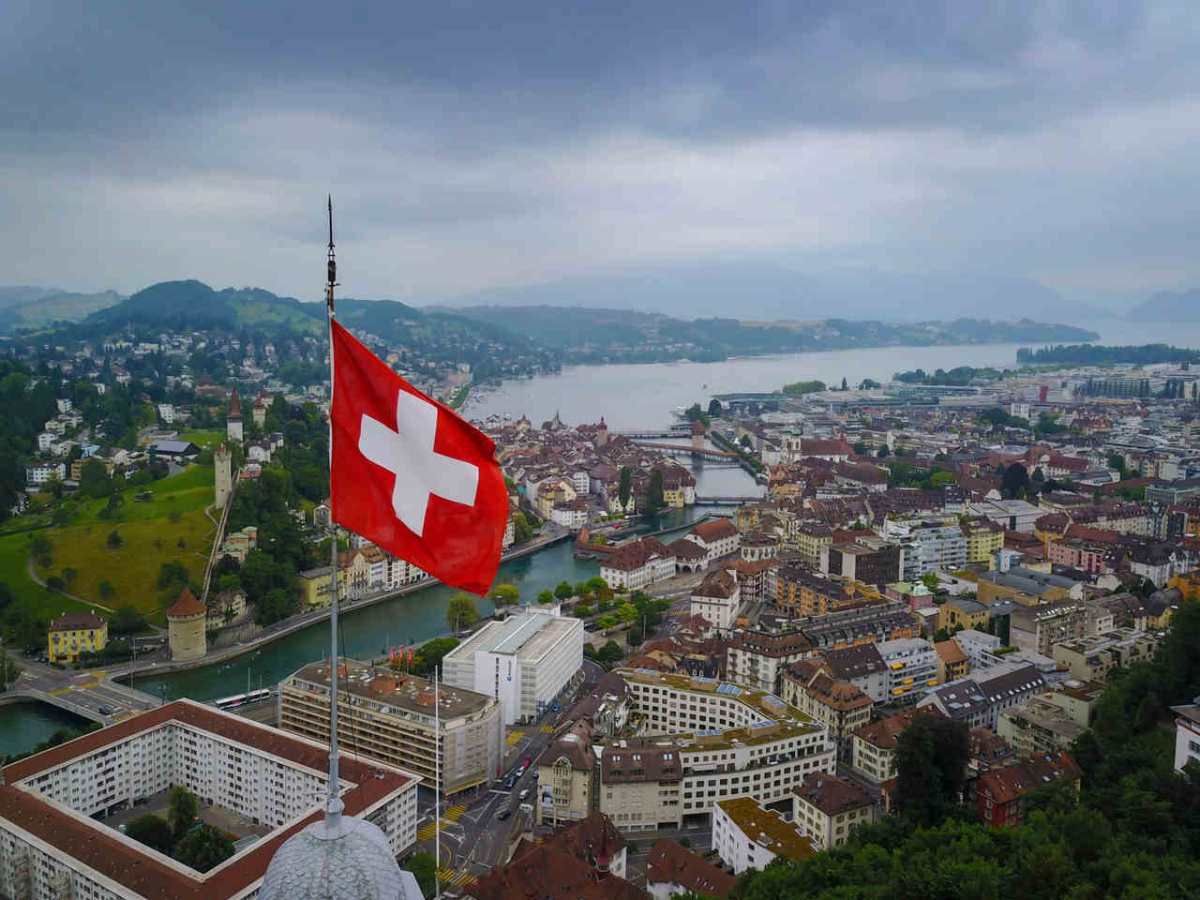
A small country in the heart of Europe has quietly shaped how the world thinks about serious academic preparation. Families from dozens of nationalities send their children across borders and oceans each year, drawn by a reputation built over more than a century of careful, disciplined schooling. Few places carry that kind of trust in education the way this one does.
Parents who compare options abroad often land on the same shortlist, and Swiss boarding schools sit near the top of it more often than any other category. Precision, structure, and a genuine respect for each student’s pace all play a part in that reputation. This article looks at what actually makes Switzerland such a strong choice for international education, from academic rigor to daily life on campus.
Swiss institutions built their reputation on structured, demanding curricula long before international education became a global industry. A large share of these schools trace their roots back generations, and that history shows up in how thoroughly a curriculum gets planned and reviewed year after year. Students move through clear academic stages, from early years through university preparation, with consistent standards at every step along the way.
A lower student-to-teacher ratio changes how a classroom actually functions day to day.
Central location plays a real role in the decision. A campus reachable within a few hours from most of Europe, paired with visa and travel systems built for a global student body, removes a layer of stress that families often face elsewhere. Political stability and a strong public safety record add further confidence for parents who send a child abroad for the first time.
A large number of campuses operate with more than one language woven into daily life, not just the timetable. A student might attend classes in English, order lunch in French, and pick up conversational German from a roommate within a single term. That kind of exposure builds fluency far faster than a standard language class ever could on its own.
A strong academic program covers only part of what a family looks for abroad. The best institutions build their approach around several pillars at once.
That combination of academics, personal growth, and consistent support reflects what modern international education should look like at its best.
Roughly 110 boarding schools operate across Switzerland today, and international students make up close to 80 percent of total boarding enrollment, according to a report from SWI swissinfo.ch, the country’s public broadcaster. That scale reflects decades of trust built by families from more than a hundred nationalities. Swiss boarding schools continue to draw that trust because outcomes, not marketing, drive the reputation forward.
Switzerland earns its place at the top of international education through consistency rather than passing trends. Strong academics, small classes, language immersion, and genuine care for each student combine into an experience families continue to recommend to one another. That reputation took decades to build, and it continues to grow for good reason. A country this small rarely casts such a large shadow over global education.
If you want a luxury SUV that feels exciting but still gives you room to…
Three weeks into a job search, a recruiter calls and says, pleasantly, “Your resume says…
Every six months, even when you’re not looking. Continue reading →
You want to achieve balance in your sales and service teams? Explore top strategies that…
The dryer was still ticking as it cooled when I sat sideways in the driver's…
A freelancer with twelve clients does not have one schedule. She has twelve, each with…