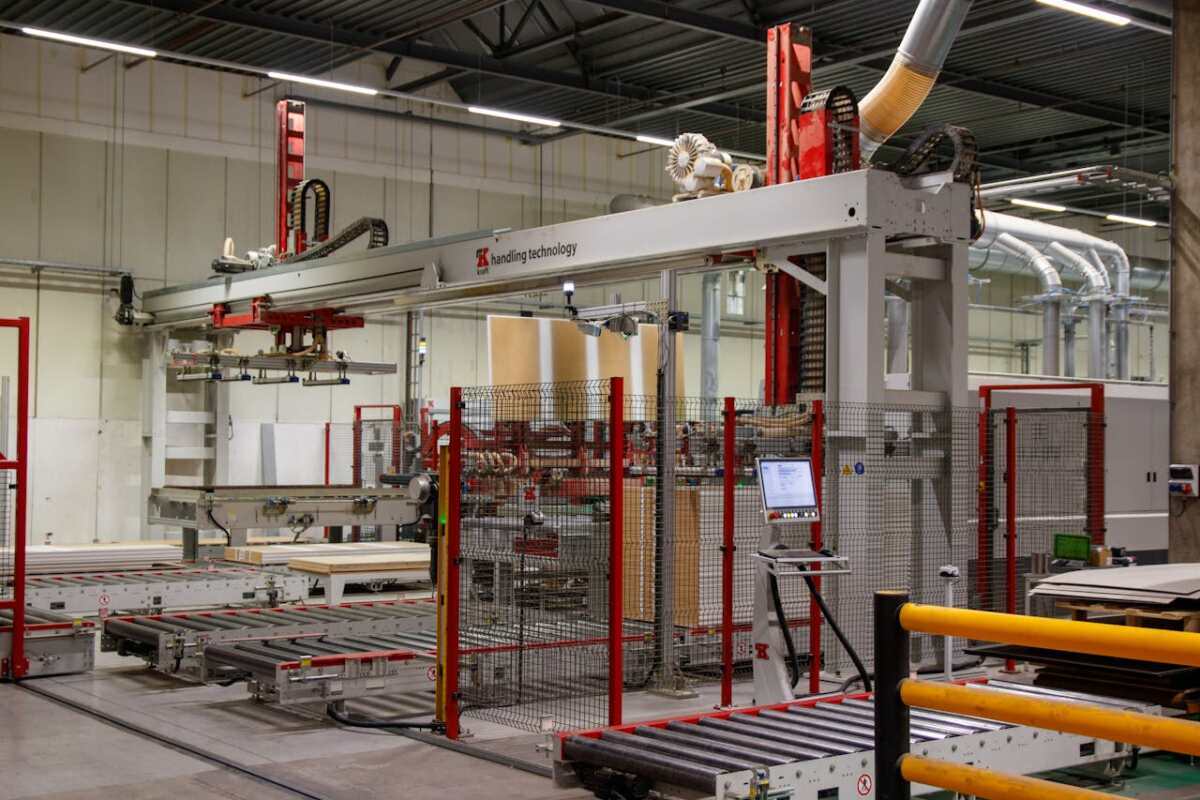
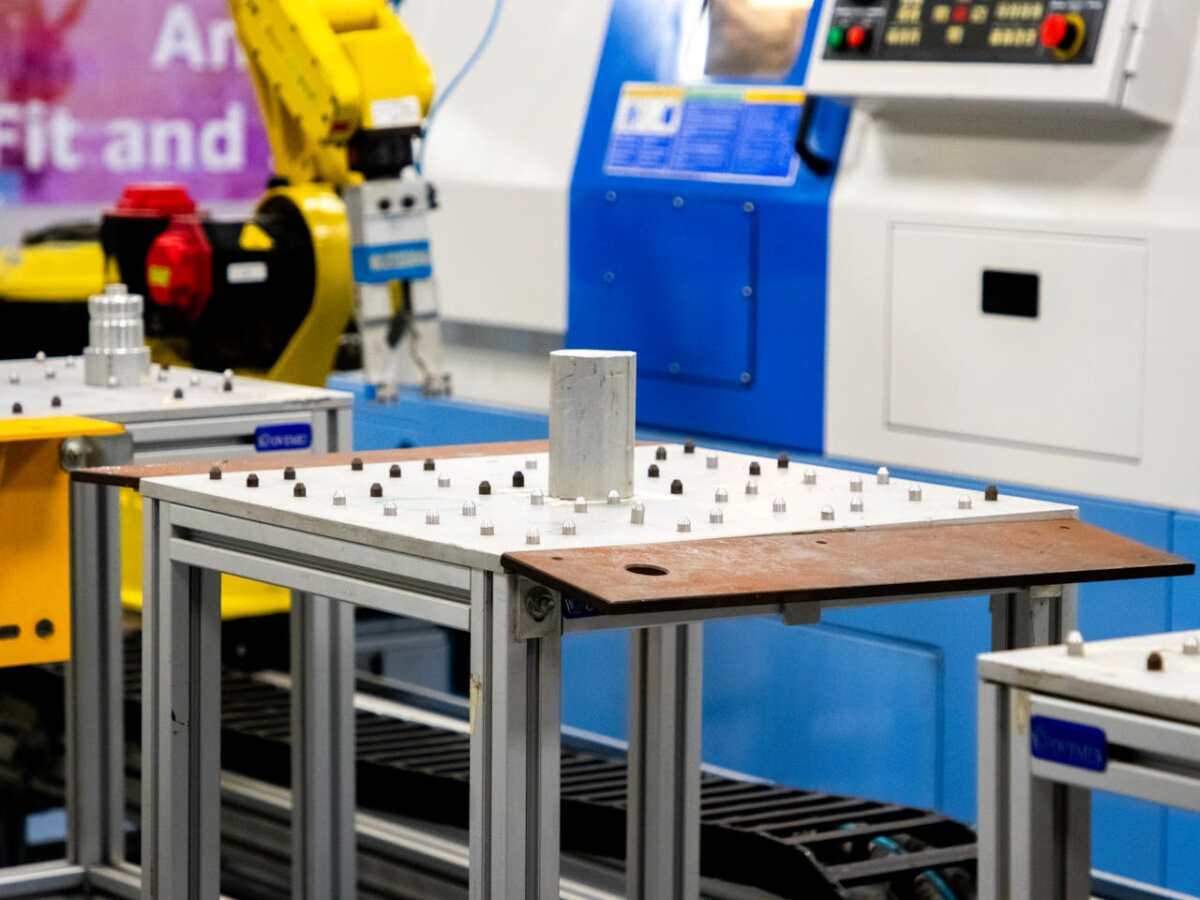
Manufacturing productivity has always depended on two things: machine uptime and operator efficiency. For decades, improving one meant investing heavily in the other. Faster machines needed more skilled operators. Better operators needed better machines.
CNC automation breaks that tradeoff. Companies like Gimbel Automation build systems that let CNC machines load their own parts, freeing operators to manage multiple cells instead of standing at one machine all shift. The result is a fundamental shift in how small and mid-size shops think about output per labor hour.
The workforce math no longer works without it. Skilled machinist positions go unfilled for months, and the operators who remain command rising wages that squeeze already thin margins.
According to Deloitte’s manufacturing outlook, the U.S. manufacturing sector could face a shortfall of 2.1 million skilled workers by 2030. Shops that wait for the labor market to correct itself will lose contracts to competitors who automated early and maintained capacity through the shortage.
The cost of automation has also dropped. In-machine tending systems that use the CNC spindle as a part loader cost a fraction of what external robotic arms required a decade ago. This puts automation within reach for shops with five to ten machines, not just large facilities with dedicated engineering teams.
An automated cell combines a few key components into a self-running production system. Here is what each piece does.
This cycle repeats until the staging tray is empty. One operator loads the tray, starts the program, and moves to the next machine. According to the Association for Manufacturing Technology, shops running automated cells report spindle utilization rates above 80 percent compared to 30 to 50 percent for manually tended machines.
Automation does not eliminate operators. It changes what they do. Instead of standing at one machine loading parts, an operator manages three to five automated cells. Their job shifts from repetitive loading to higher-value tasks like monitoring quality, adjusting programs, and troubleshooting.
This shift actually makes the job more interesting. Operators who run automated cells develop broader skills in programming, quality control, and system management. Shops that position automation as a career development tool rather than a job replacement tend to retain staff better and attract younger workers who expect technology-forward workplaces.
The training curve is shorter than many owners expect. Most in-machine tending systems run through the standard CNC control interface. An operator familiar with G-code and tool changes can learn the automated loading sequence in a few days.
The numbers vary by operation, but the patterns are consistent.
The compounding effect matters. Higher utilization, lower scrap, reduced labor, and extended shift coverage multiply together to produce productivity gains far exceeding what any single improvement delivers alone.
The most common barrier is not cost. It is uncertainty. Shop owners know their current process works. They worry that automation will disrupt production during implementation and create maintenance problems they are not equipped to handle.
Turnkey automation providers address this by handling the engineering, installation, and training as a complete package. The shop describes what they make. The provider designs, builds, and installs a system that fits their existing machines and workflow. Most installations complete in under a week with minimal production disruption.
The second barrier is the assumption that automation only suits high-volume, single-part production. In reality, modern in-machine tending systems change over quickly between different parts. Job shops with short runs and frequent changeovers benefit from the setup time savings as much as high-volume operations benefit from extended unattended runtime.
The difference between shops that automate and those that do not is growing every year. Automation is no longer a competitive advantage. It is becoming the baseline for staying in business as labor costs rise and skilled workers become harder to find.
How much does in-machine CNC automation cost?
Typical systems range from $15,000 to $50,000 per machine depending on complexity. The investment usually pays for itself within 6 to 18 months through increased output and reduced labor costs.
Will automation eliminate machinist jobs?
No. It changes the role from manual loading to multi-machine management, quality oversight, and programming. Shops that automate typically retain their existing operators and reassign them to higher-skill tasks.
Can I automate just one machine to start?
Yes. Most shops start with a single automated cell on their highest-volume machine. This lets them learn the system and prove ROI before expanding to additional machines.
How long does it take to learn automated CNC tending?
Operators familiar with CNC controls typically learn the automated loading sequence in two to five days of hands-on training. The system runs through the same G-code interface they already know.
Live database synchronization is one of the most challenging engineering problems of current IT architecture.…
Taking family road trips or navigating daily city commutes requires frequent pit stops along busy…
As professionals take on new responsibilities, their current tools and setup may no longer be…
Managing an engineering team is a job. You have to balance a lot of things.…
Most small businesses leak customers between first contact and the sale. Here is where the…
A designer in New York opens the same project that a developer in another country…