Walk into any commercial building and you’ll see the obvious systems — lighting, outlets, HVAC. The electrical network that silently carries the load behind the walls is what you cannot see. facility owners are quick to schedule plumbing service when there is a leak, but they often neglect the wiring that powers the entire facility, according to contractors who handle HVAC, plumbing, and electrical maintenance. That’s usually where commercial electrical services come into the conversation.
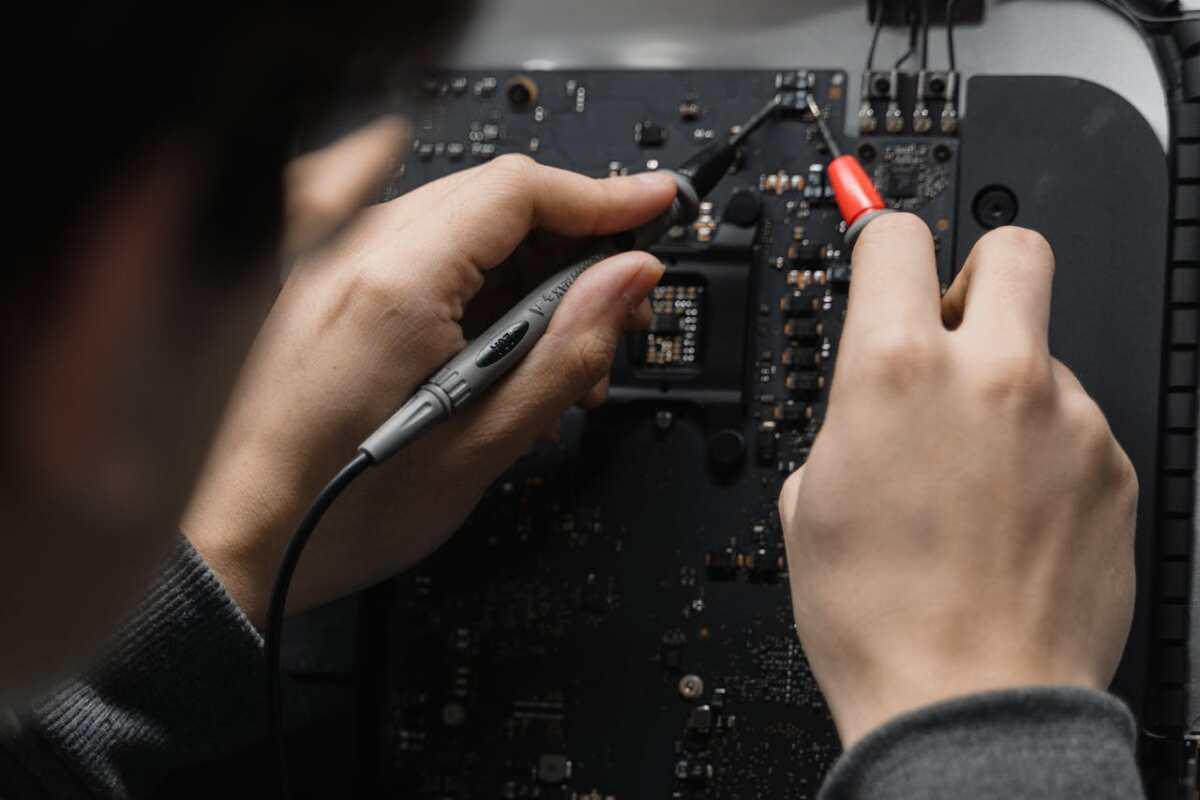
Most people imagine a technician poking around with a meter for a few minutes. In reality, it’s more methodical than that. Commercial electrical testing is a structured process where licensed electricians examine wiring systems, switchgear, distribution boards, grounding systems, and protective devices. The goal isn’t just to see whether electricity flows. Its purpose is to confirm that the system functions securely in actual situations.
Consider it an examination of the building’s nervous system. Technicians check the residual current devices, measure the insulation resistance, check the grounding integrity, and inspect the circuit breakers. In order to prevent expensive outages or, worse, fire hazards, they look for small problems.
Commercial buildings are not allowed to disregard electrical safety. Documented inspections are frequently required by building codes and insurance policies.
Many governments adhere to norms related to industrial guidelines and occupational safety requirements. These regulations are in place for the straightforward reason that, like other infrastructure, energy ages. Wires loosen. Insulation deteriorates. Panels get overloaded as businesses add equipment.
Meeting safety requirements for electrical systems isn’t only about compliance paperwork. It protects employees, customers, and expensive equipment.
Insurance companies know this. Some policies actually require proof of periodic testing before covering electrical damage claims. And yes, inspectors do check.
So how often should it happen?
There isn’t one universal answer, but common industry guidance looks like this:
Older buildings sometimes need more frequent checks. Systems installed 30 years ago weren’t designed for modern electrical loads servers, charging stations, or heavy HVAC equipment. Routine commercial electrical testing helps identify those mismatches early.
Even if your building isn’t due for scheduled testing, certain warning signs shouldn’t wait.
Watch for things like:
Plastic or burning smells close to the equipment. Unexpected increases in the use of power. Any of these could indicate overloaded circuits or deteriorating wiring. When such occurs, a business’s electrical inspection ought to take precedence over other maintenance tasks. Not next quarter. Now. Small electrical faults rarely stay small.
The most obvious benefit is safety, but the advantages go further than that. A properly maintained system runs more efficiently. Loose connections, damaged cables, and failing breakers can waste surprising amounts of power. Testing often uncovers those inefficiencies.
There’s also operational stability. Businesses hate downtime. Losing refrigeration in a restaurant or power to diagnostic equipment in a clinic is not only annoying, but also expensive.
Regular inspections also assist in confirming adherence to safety requirements for electrical systems, shielding owners from liability in the event that something goes wrong.
A thorough electrical inspection for businesses takes longer than people expect. Technicians usually begin with a visual survey. Panels are opened, wiring routes examined, and any obvious damage documented. Then comes instrument testing, insulation resistance tests, circuit continuity checks, grounding verification, and breaker performance testing.
Protective devices get special attention. If a fault occurs, those devices must react instantly. Otherwise, heat builds up in the system.
Inspectors also check load distribution. Buildings frequently undergo equipment upgrades or restorations, which might overload circuits that were previously balanced.
The electrician then creates a report detailing the state of the system and suggesting any necessary repairs. The report can occasionally be boring. That’s good news.
Electrical systems rarely fail overnight. The majority of issues, such as loose terminals, aged insulation, and overloaded panels, develop gradually. Frequent testing identifies those problems while they are still controllable.
If there is one useful lesson to be learned, it is to handle the electrical system in your building in the same manner that you handle other maintenance duties. Establish a schedule for inspections and follow it. Days of interruption later on can be avoided with a few hours of testing every few years.
Technology is transforming the way businesses handle workplace injuries, making the claims process faster, clearer,…
A new client usually arrives with scattered details, rushed messages, and files saved across too…
In the current technological landscape, HIX.AI is pioneering a significant shift in how we perceive…
Cash flow data is easy to describe in broad terms and much harder to use…
The way people create and consume content online is changing rapidly, and artificial intelligence is…
During preparation for investments, audits, or certifications, attention to cybersecurity increases. Investors, auditors, and certification…