Many drivers assume an auto insurance claim comes down to a few photos and a short statement. The truth is that claims today rely on far more detailed evidence than most people realize.
Overlooking the right information can weaken a case before it even begins. If you’ve ever thought a quick snapshot was enough, it may be time to rethink what insurers actually use to determine fault.
This guide breaks down the essential forms of evidence that can make a real difference after a crash.
Insurance carriers review several categories of information to understand what happened before, during, and after a collision. These records can come from your phone, vehicle, medical providers, or repair shops, and each plays a distinct role in verifying your claim.
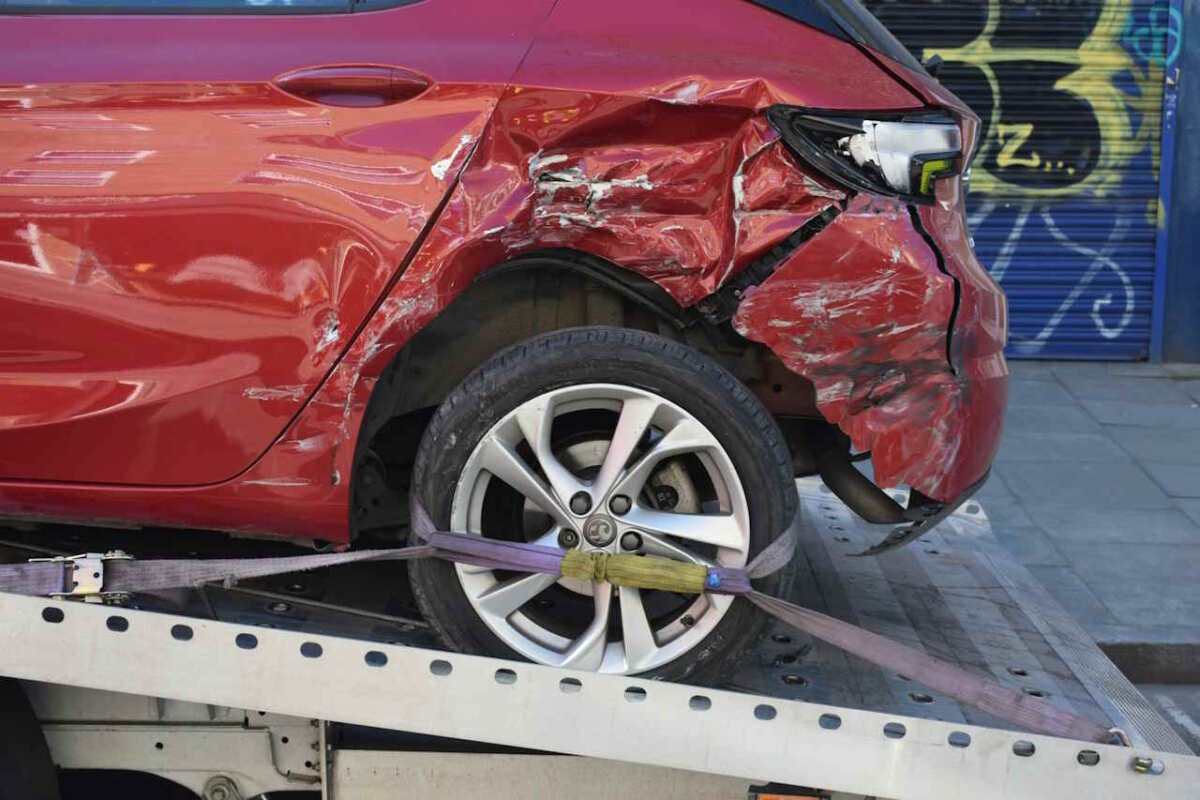
Images remain a core part of documenting a collision. Insurers also review the digital fingerprints attached to each file, such as timestamps and location data. These details help verify when and where the photo was taken.
Modern vehicles log driving information automatically, including speed, braking, and directional changes. Dashcams and smartphone apps often record similar data. When used together, these records help clarify how an accident occurred.
Medical records outline injuries, treatments, and timelines. Repair invoices and estimates confirm the type and cost of vehicle damage. These documents create a clear progression from impact to recovery.
Here are simple ways to keep your evidence organized:
Chain of custody refers to protecting the integrity of your evidence from the moment it’s created. For digital files, this means keeping originals, backing them up, and avoiding unnecessary transfers between devices. Insurers often look for signs that files have remained unchanged.
This process can be especially important in states like Missouri, where comparative negligence laws may reduce compensation based on each driver’s share of fault. Many people who want a clearer understanding of how these rules apply to real cases look to the trusted car accident lawyers in St. Louis for explanations. These insights show why accurate, well‑preserved evidence can strongly influence the outcome of a claim.
Every state has deadlines for submitting auto insurance and injury claims. Missing these deadlines can limit compensation, and evidence tends to weaken over time. Digital files, including any saved as a PDF, may be corrupted, witnesses can forget details, and vehicles often get repaired quickly.
Missouri’s shared‑fault system also makes thorough documentation important. Evidence that shows timely medical care, accurate healthcare records, consistent reporting, and reliable digital files can support a stronger claim.
Understanding what counts as evidence in auto insurance claims helps you protect your rights after a crash and avoid preventable setbacks. Strong documentation gives insurers a clearer picture of what happened, which can make the claims process smoother.
If you have questions about your situation or want help reviewing your evidence, consider reaching out to Douglas, Haun & Heidemann for a free consultation. It’s an easy first step toward getting the guidance you need.
Digital content increasingly extends beyond static images into tutorials, presentations, and promotional videos. Dreamina also…
Learn how to make product demo videos with Pollo AI Avatar in minutes using an…
Find the best employee monitoring software for insider threat detection. Apploye tops this list of…
Discover why timely commercial AC installation protects your revenue, employees, and reputation. Learn the hidden…
This guide is for SEO agencies connecting an SEO MCP stack to ChatGPT, Claude or…
Learn why expert AC installation protects your business operations, employee productivity, and bottom line. Discover…