Reducing downtime is crucial for maintaining productivity and profitability. Industrial pumps play a vital role in ensuring smooth operations, and understanding their importance can help businesses make informed decisions regarding their equipment. Continue reading
Minimizing downtime is crucial for maintaining productivity and profitability. One often overlooked yet vital component in achieving this goal is the industrial pump. These pumps play an essential role in transporting fluids, managing processes, and ensuring smooth operations across various manufacturing sectors. Understanding how industrial pumps contribute to reduced downtime can help businesses make informed decisions regarding their equipment and maintenance strategies.
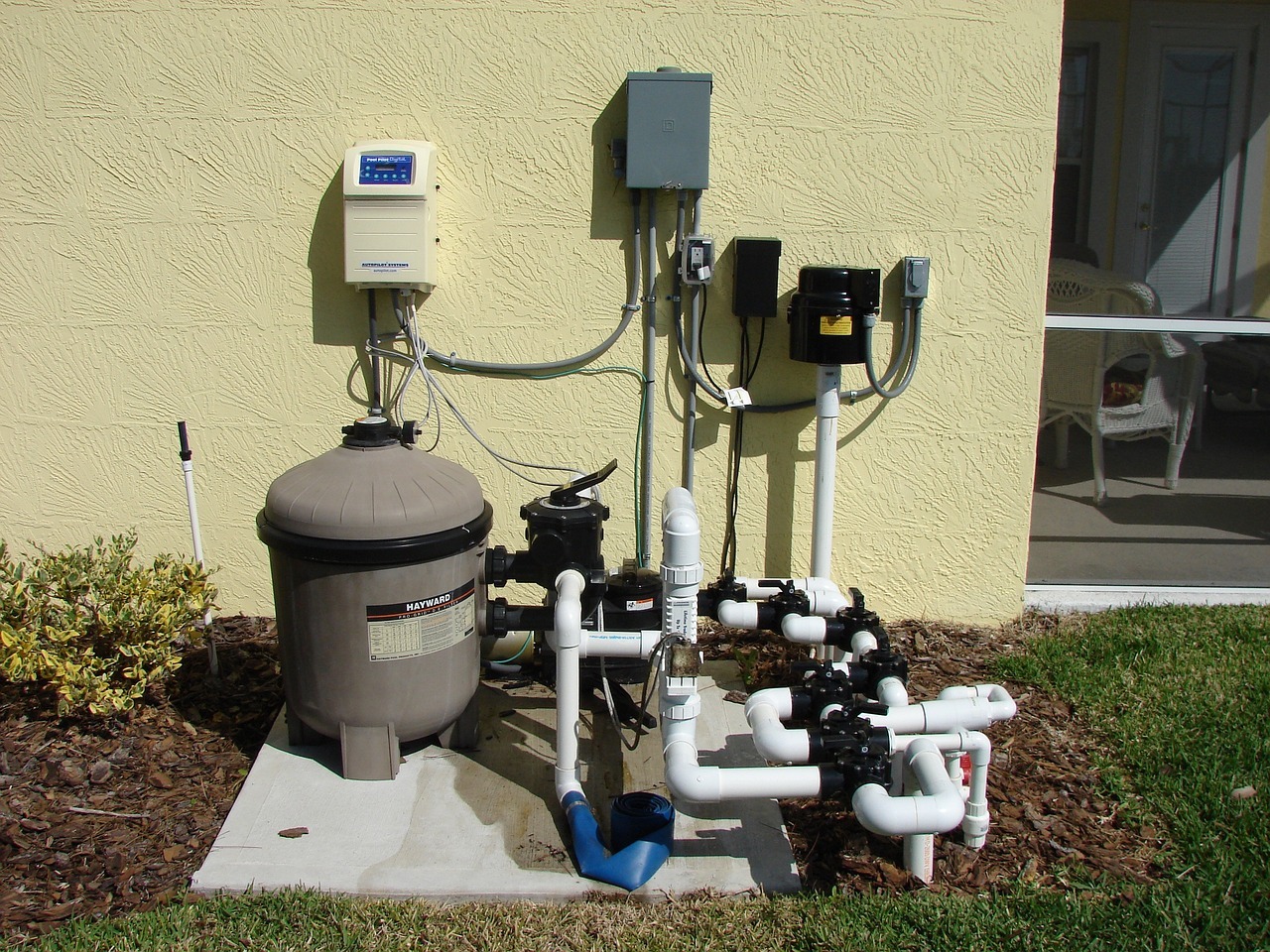
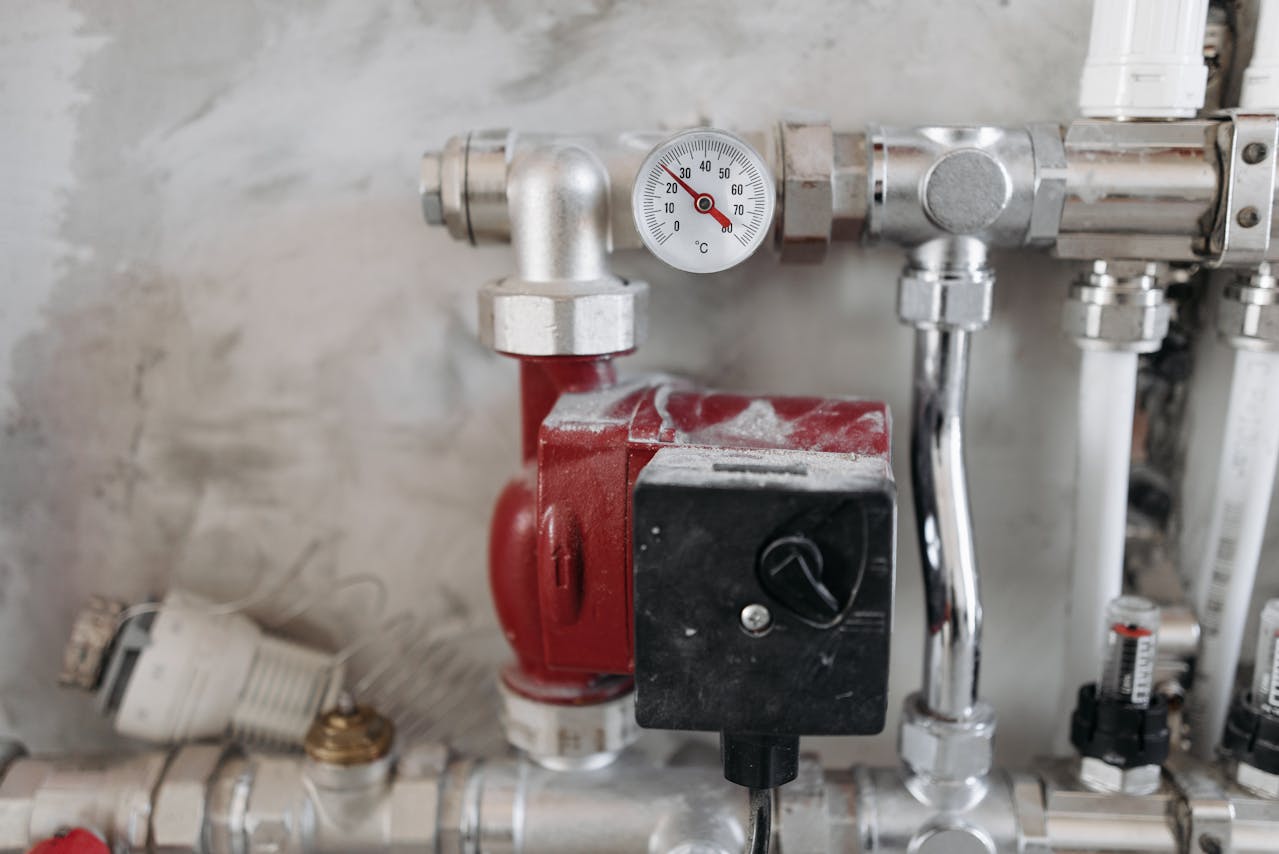
Industrial pumps are designed to move liquids, slurries, and gases efficiently within manufacturing processes. They are used in various applications, including water treatment, chemical processing, food and beverage production, and oil and gas extraction. The reliability of these pumps is critical; any failure can lead to significant operational disruptions. This is where the quality of the pump comes into play. Selecting equipment from top pump manufacturers ensures that businesses invest in reliable and durable pumps that can withstand the demands of industrial environments. Choosing high-quality pumps reduces the risk of failures that lead to unplanned downtime. Top manufacturers design their products with advanced engineering, ensuring they can handle extreme temperatures, pressures, and corrosive materials. This reliability translates to fewer breakdowns and less frequent maintenance, allowing manufacturing operations to run smoothly without interruptions.
One of the key strategies for reducing downtime in manufacturing is implementing predictive maintenance programs for industrial pumps. Predictive maintenance uses data and analytics to forecast when a pump may fail or require maintenance. By regularly monitoring the condition of pumps using sensors and diagnostic tools, manufacturers can identify potential issues before they escalate into significant problems.
For example, vibration analysis can detect irregularities in pump operation that may indicate wear and tear on components. By addressing these issues early, manufacturers can schedule maintenance during planned downtime rather than facing unexpected outages. This proactive approach not only minimizes downtime but also extends the life of the equipment, resulting in cost savings over time.
Selecting the right type of pump for a specific application is crucial for ensuring efficiency and reliability. Industrial pumps come in various designs, including centrifugal, positive displacement, and diaphragm pumps, each suited for different tasks. Understanding the specific requirements of your manufacturing process—such as the type of fluid being pumped, flow rate, and pressure—will help you choose the most appropriate pump.
Partnering with qualified manufacturers provides access to expert advice and resources to guide your selection process. These manufacturers often offer a range of products tailored to various industries, allowing businesses to find the best fit for their needs. An efficiently selected pump operates optimally, reducing wear and tear and minimizing the risk of breakdowns that could lead to costly downtime.
Investing in employee training is essential for maximizing the efficiency and reliability of industrial pumps. Well-trained staff are more capable of identifying early signs of potential issues and performing routine maintenance tasks effectively. Regular training sessions on proper pump operation, troubleshooting, and maintenance best practices empower employees to take proactive measures, reducing the likelihood of equipment failure.
Additionally, implementing standard operating procedures (SOPs) for pump maintenance can help ensure that all employees follow consistent practices. This can include regular inspections, cleaning protocols, and documentation of any issues encountered. When employees are knowledgeable and follow established procedures, the risk of downtime due to human error is significantly reduced.
The design of industrial pumps plays a critical role in their performance and reliability. Pumps designed with modular components can be more easily serviced and maintained, allowing for quicker repairs. Additionally, pumps with features like self-priming capabilities or integrated control systems can enhance operational efficiency and reduce the chances of downtime.
Selecting pumps with advanced technology can also improve the overall manufacturing process. For example, smart pumps equipped with IoT technology can provide real-time data on performance, enabling manufacturers to make informed decisions regarding maintenance and operation. This level of insight allows for more agile responses to potential issues, ultimately reducing downtime.
Investing in modern pump technology from an industrial pumps supplier can significantly impact manufacturing efficiency and downtime reduction by ensuring reliable fluid handling and minimizing maintenance interruptions. Many manufacturers continually innovate, introducing new materials and designs that enhance performance. Upgrading to more efficient pumps can lead to reduced energy consumption, lower operational costs, and improved reliability.
For instance, variable speed pumps can adjust their operation based on real-time demand, reducing energy usage and wear on components. This not only leads to cost savings but also contributes to sustainability efforts by minimizing the environmental impact of manufacturing operations.
In the manufacturing sector, reducing downtime is crucial for maintaining productivity and profitability. Industrial pumps play a vital role in ensuring smooth operations, and understanding their importance can help businesses make informed decisions regarding their equipment. By selecting reliable pumps from top manufacturers, implementing predictive maintenance, and investing in employee training, manufacturers can effectively minimize downtime. Ultimately, a proactive approach to pump management can lead to enhanced efficiency, cost savings, and a more resilient manufacturing process.
AI text humanizers come in all shapes and sizes, offering some sort of support to…
Finding the right look for a project used to be a long and expensive process.…
You land in Tbilisi with a three-month plan. The apartment listing promised fast Wi-Fi, and…
Small businesses adopt new software fast when it solves a visible problem and slowly when…
Stop guessing what's wrong with Outlook. Learn to diagnose error types and apply targeted fixes…
Everyday work now involves moving information through laptops, phones, cloud platforms, messaging tools, and increasingly…