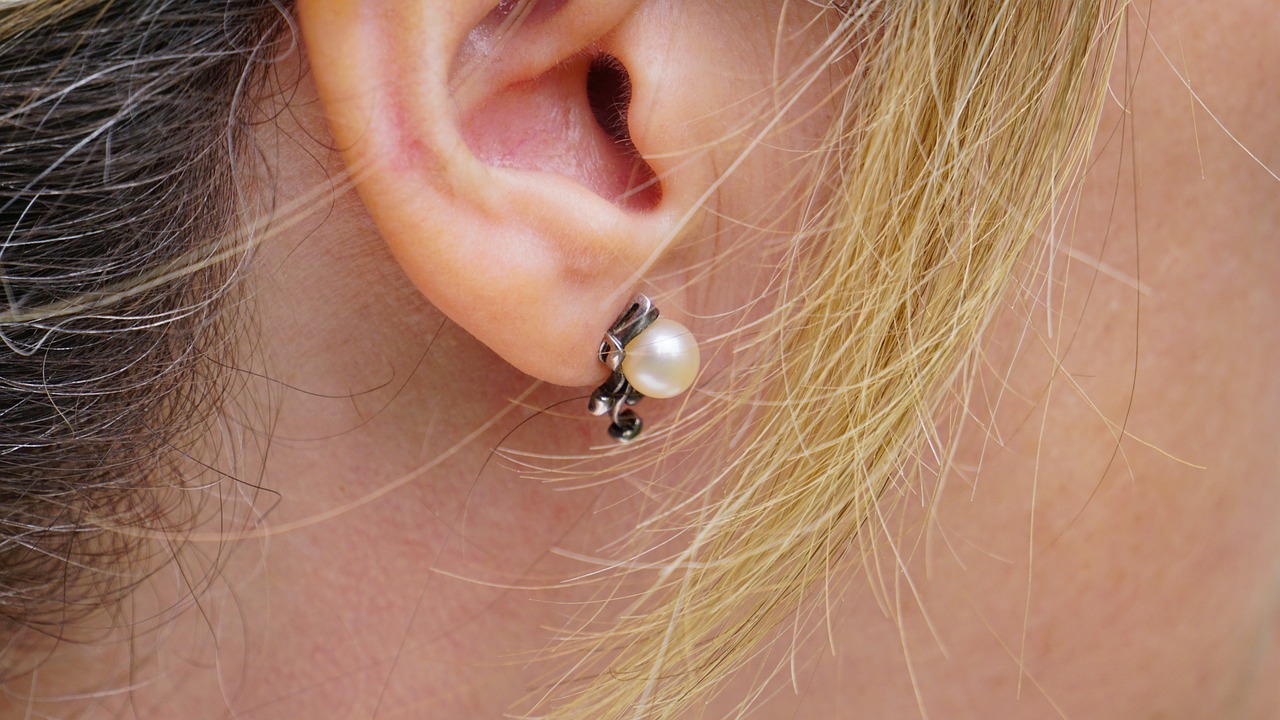
Flat back earrings exemplify the complex artistry and engineering involved in fine jewelry making. From the initial design concept to the final packaging, each step reflects a dedication to quality and precision. Continue reading
Flat back earrings, a popular choice in many jewelry collections, are more than just accessories; they’re a result of careful design and craftsmanship. In the jewelry world, these pieces stand out as symbols of art and precision, with each pair crafted with great attention to detail. This process, involving a series of coordinated steps, highlights the skill and expertise in the industry.
Exploring how flatback earrings are made reveals the blend of artistry and engineering behind them. From the initial design and material selection to the final touches, every step requires careful planning and expertise. This overview looks into this process, showing how design ideas, material choices, crafting techniques, and finishing touches come together to create the final product.
The process of creating flat back earrings begins with a blend of imagination and practicality. Designers draw inspiration from diverse sources such as nature, fashion trends, and historical motifs to develop truly unique concepts. They carefully select high-quality materials like precious metals, gemstones, or even innovative alternatives, ensuring the earrings are not only visually stunning but also comfortable and durable.
Detailed sketches and digital renderings bring these ideas to life, balancing aesthetics with functionality. These visual plans serve as precise blueprints, guiding every step of the production process. This careful balance between creativity and practicality during the design phase is key for crafting exquisite flat back earrings that stand out in the market.
Choosing the right materials is key to making high-quality, attractive flat back earrings. Jewelers think carefully about metals like gold, silver, or platinum, as each has different levels of durability and shine. The choice of stones, whether diamonds, sapphires, or semi-precious gems, affects the earrings’ overall look and value.
Other elements, such as hypoallergenic backings or complex designs, add comfort and style. This careful selection ensures that each pair of earrings is not only beautiful but also durable, blending elegance with lasting quality.
With the designs complete and materials ready, the crafting process begins. Jewelers use various techniques to turn raw materials into flat back earrings. The first step usually involves cutting and shaping the metal with tools like saws, files, and pliers to match the design. Next, the metals are molded and soldered together to create a unified structure.
Gemstones are then carefully set, requiring a steady hand and sharp eye to ensure they are secure and properly aligned. Each earring is assembled piece by piece, often under a microscope, to achieve precise results. This process combines artistic skill with technical expertise to create earrings that are both beautiful and durable.
Once the earrings are carefully assembled, they go through a series of finishing steps designed to enhance both their appearance and durability. The process begins with polishing, where each piece is buffed to create a smooth, gleaming surface that highlights the brilliance of the metals and stones. After polishing, many earrings are plated with an additional layer of metal, such as gold or rhodium, to add extra shine and protect against tarnish.
At this stage, quality checks are a must. These checks involve detailed inspections, such as verifying the security of stone settings, ensuring there are no surface flaws, and confirming that the finish is uniform across all pieces. Some earrings may even undergo specialized treatments to enhance their color or texture.
After the earrings are finished, they enter the important stage of packaging and presentation, which is key to creating a memorable customer experience. This step goes beyond simply placing the earrings in a box; it’s about crafting a moment of excitement. Good packaging not only protects the earrings during shipping but also enhances their value.
A well-designed box or pouch, made from premium materials, can evoke anticipation and even become a cherished keepsake. The texture, color, and branding of the packaging all contribute to this experience, leaving a lasting impression on customers. This thoughtful presentation elevates the perceived quality and care invested in every pair of flat back earrings, ensuring that customers feel valued and satisfied.
Flat back earrings exemplify the complex artistry and engineering involved in fine jewelry making. From the initial design concept to the final packaging, each step reflects a dedication to quality and precision. Designers draw on creativity and practicality to create stunning yet functional pieces, while jewelers craft and finish each earring to ensure durability and beauty. The thoughtful selection of materials, attention to detail in crafting, and elegant presentation all contribute to the earrings’ appeal, making them not only beautiful accessories but also lasting symbols of craftsmanship and care.
Stop guessing what's wrong with Outlook. Learn to diagnose error types and apply targeted fixes…
Everyday work now involves moving information through laptops, phones, cloud platforms, messaging tools, and increasingly…
Unsynced CRM data across phones and laptops wastes hours and leads to missed follow-ups. Learn…
Explore a practical set of tools for advertising, design, CRM and analytics that revitalize sales…
Learn how boarding school waitlists really work, what timing signals mean, and the exact steps…
Stop paying hidden tech taxes. Learn how next-gen, API-driven programmatic platforms help independent agencies boost…