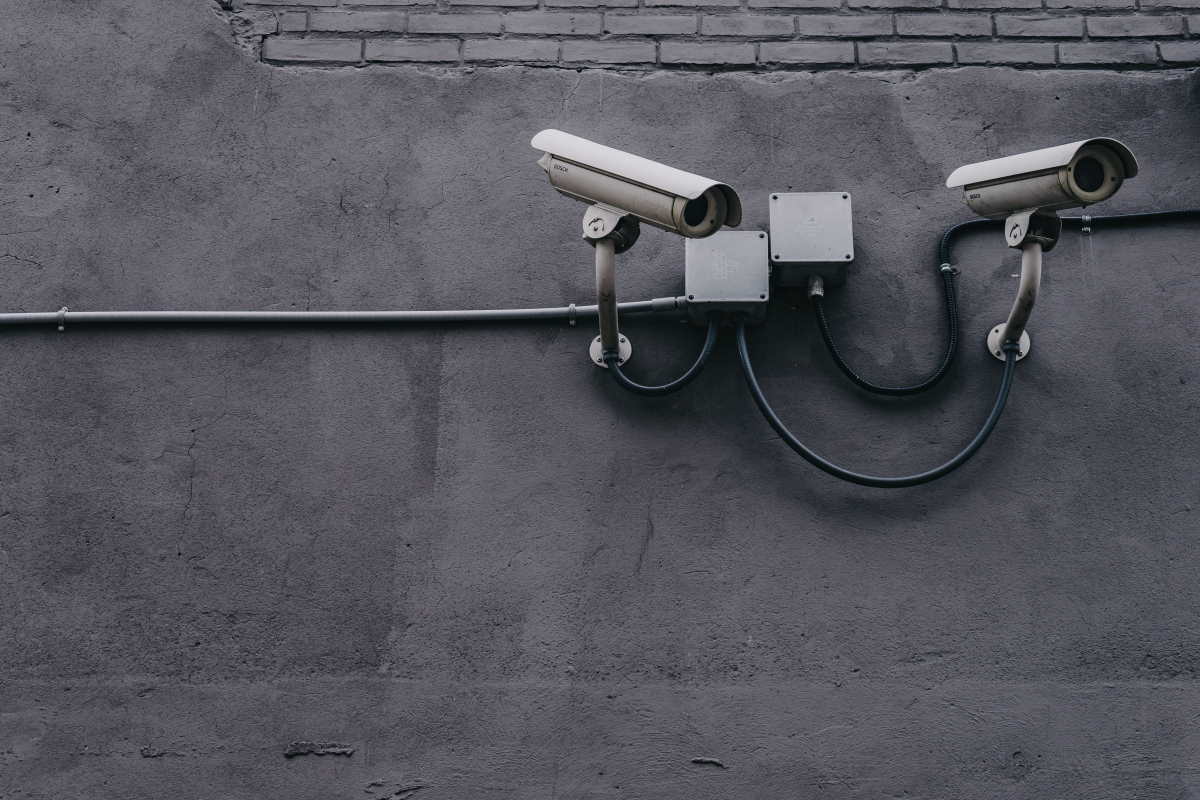
Video surveillance powered by artificial intelligence must be engaged in a responsible and ethical manner, making sure to reap its advantages while also protecting privacy and civil rights. Continue reading
Video surveillance has become essential in today’s society, quietly guarding homes, businesses, and public areas. The preface of artificial intelligence has greatly changed video surveillance, bringing advanced features and ethical challenges, unlike the introductory security handed by traditional CCTV cameras.
AI-driven video monitoring systems use sophisticated algorithms to analyze live video feeds, detecting patterns, irregularities, and possible dangers that human eyes might overlook. This increased alertness leads to improved security procedures, enabling proactive actions and quicker responses in urgent circumstances. An example of this is how facial recognition software can quickly identify people on a watchlist, and object detection algorithms can recognize suspicious behavior or potential safety risks in busy places.
However, this progress in technology raises some worries. The growing use of AI in video surveillance poses significant concerns about privacy and civil rights. The potential for misuse and abuse is created by the capability to monitor individuals in real-time, analyze their actions, and store large amounts of personal information. The secretive workings of numerous AI algorithms, commonly referred to as ‘black boxes’, heighten worries about data breaches, authoritarian surveillance, and the diminishing of personal privacy.
In addition to security advantages, AI-driven video monitoring has various practical uses that improve our daily routines. In retail environments, artificial intelligence can examine customer actions, recognize shopping trends, and enhance product positioning to boost sales. AI-powered cameras can identify traffic infractions, enhance traffic patterns, and enhance road safety in transportation. AI in healthcare can help monitor patients, detect possible health risks, and offer remote diagnostic services.
Increasing safety measures should always be a priority for organizations that manage public or high-traffic spaces. Business owners setting up Hanwha CCTV systems like to connect it to centralized monitoring tools that allow faster response times and clearer visibility across locations. This setup supports better oversight while simplifying how footage is reviewed and managed. Over time, these improvements contribute to safer environments and more informed operational decisions.
Nevertheless, the ethical concerns that arise from AI-powered video surveillance tend to outweigh its potential advantages. A main worry is the possibility of algorithmic prejudice, as AI systems based on biased data may continue discriminatory behaviors. This could result in incorrect recognition, tendentious handling, and wrongful apprehensions. Another worry is the possibility of mass surveillance, in which AI-enabled cameras could be utilized by governments or private organizations to monitor the actions and whereabouts of entire communities, diminishing both privacy and the ability to move freely.
Dealing with these challenges necessitates a multifaceted strategy. Governments and regulatory agencies should create definite guidelines and ethical frameworks for implementing AI in video surveillance. Transparency and accountability are essential, with clear regulations for data privacy, access control, and the ability to seek redress for any possible misuse.
Although there are obstacles, the key to the advancement of video surveillance is to utilize AI’s capabilities while reducing the associated dangers. Ongoing advancements in AI algorithms, along with strong ethical guidelines and transparent data management, can help to keep AI surveillance systems beneficial, improving security and safety while upholding essential rights.
Video surveillance powered by artificial intelligence is an effective tool with great potential to improve security and enhance our everyday lives. Nevertheless, it is essential to engage with this technology in a responsible and ethical manner, making sure to reap its advantages while also protecting privacy and civil rights. By focusing on transparency, accountability, and ethical standards, we can utilize AI in video surveillance to ensure a safer and more secure future for everyone.
Walk into any commercial building and you’ll see the obvious systems — lighting, outlets, HVAC.…
Technology is transforming the way businesses handle workplace injuries, making the claims process faster, clearer,…
A new client usually arrives with scattered details, rushed messages, and files saved across too…
In the current technological landscape, HIX.AI is pioneering a significant shift in how we perceive…
Cash flow data is easy to describe in broad terms and much harder to use…
The way people create and consume content online is changing rapidly, and artificial intelligence is…