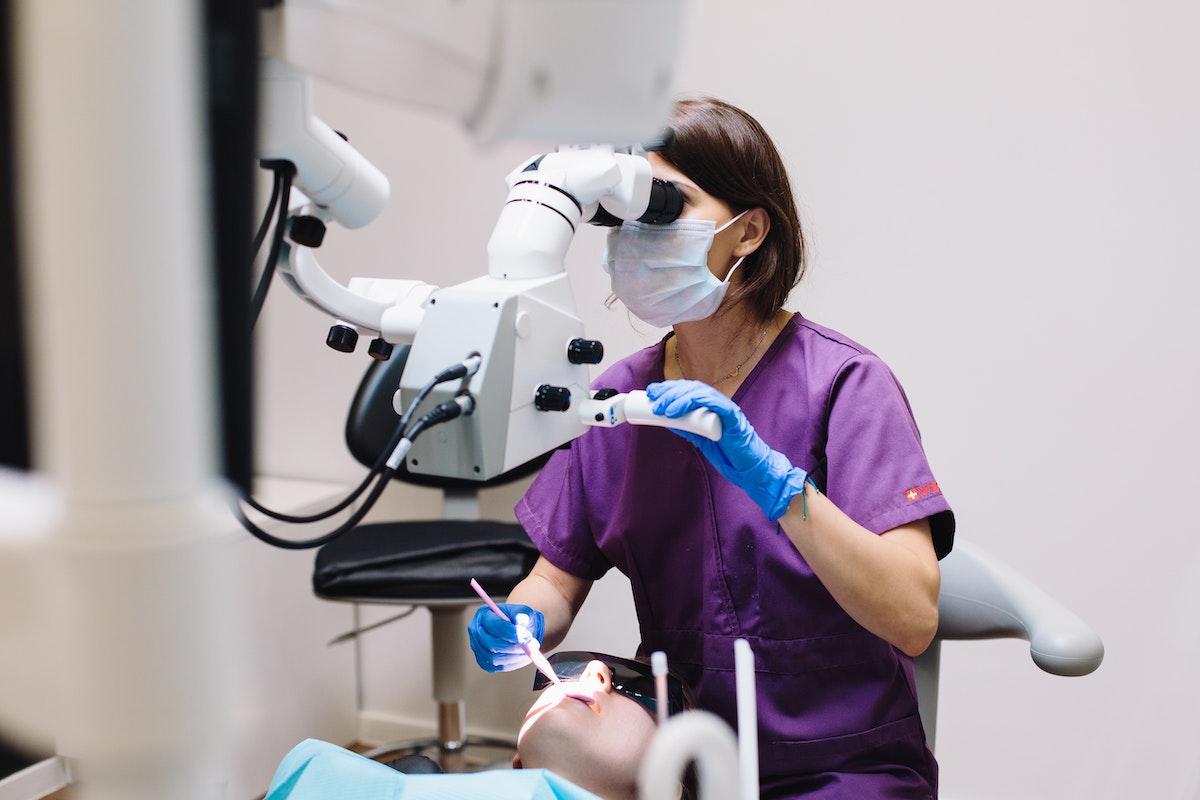
This program has attracted expertise across diverse industries, enhancing the country's competitiveness on the global stage. Continue reading
The H-1B visa program, a non-immigrant visa granted by the United States to highly skilled foreign professionals in specialized fields, is a cornerstone of America’s success in fostering global talent. This program has attracted expertise across diverse industries, enhancing the country’s competitiveness on the global stage.
Amid various industries, the dental profession has particularly benefited from the H-1B visa program. This blog explores the ways in which H-1B visas have proven advantageous to the dental profession, ultimately improving the quality of oral health care in the U.S.
Firstly, the H-1B visa program brings international talent into the U.S. dental profession, adding an enriching element of diversity and contributing to a more comprehensive knowledge base. Foreign-trained dentists often bring unique expertise, perspectives, and training methodologies that can enhance the field. Their diverse skills and unique approaches to dentistry can lead to innovations in treatment, prevention strategies, and patient care models.
The healthcare industry is projected to grow 13% from 2021 to 2031, creating high demand for medical professionals. The H-1B visa program also plays a crucial role in addressing workforce shortages in the dental field. Some parts of the U.S., particularly rural and underserved areas, face a significant dearth of dental professionals. By allowing qualified foreign professionals to practice in the U.S., the H-1B visa program helps fill this gap, ensuring that more people have access to quality dental care.
Dentists hailing from different countries can better serve diverse patient populations in the U.S. They can help bridge cultural and linguistic gaps, offering more personalized and sensitive care to patients from various backgrounds. This enhanced patient care can lead to better patient satisfaction and improved oral health outcomes, especially for underserved or marginalized communities.
H-1B visa holders often engage in research and teaching roles in addition to their clinical duties. They contribute to the body of scientific knowledge, drive innovation, and train the next generation of dental professionals. Their fresh perspectives and experiences can stimulate new ways of thinking, leading to breakthroughs in dental science and patient care.
The H-1B visa program also encourages global collaborations. The exchange of knowledge, skills, and ideas can result in a better understanding of global health issues and the development of effective international health policies. These collaborations can potentially lead to advances in the dental field, improving oral health care not only in the U.S. but also worldwide.
There is currently a maximum of 85,000 H-1B visas granted each year therefore it is a highly competitive program. The first step in the process for a dentist seeking an H-1B visa is to obtain a job offer from a US employer. Dentists must work with their employer sponsor to then complete the multi-step process of applying for a visa. The process can be complicated and time consuming, dentist can seek the guidance of a qualified attorney to help navigate the process and help with any challenges.
While the H-1B visa program may be just a policy tool, its impact on the dental profession in the U.S. is tangible. It helps bring a diverse range of skills and experiences into the field, addresses workforce shortages, bridges cultural and linguistic gaps, and fosters innovation and global collaboration. In doing so, the program not only strengthens the dental profession but also enhances the quality of oral health care for all.
As we continue to navigate a world where cross-border exchanges are becoming increasingly crucial, it’s important to recognize and harness the value that the H-1B visa program brings to the dental profession and the healthcare sector at large. Indeed, in the smile of each patient cared for by a foreign-trained dentist, we see the quiet but profound impact of the H-1B visa program, ensuring America continues to smile brightly.
When you link clean scrape data to a stable sync path, users trust the system…
Apollo vs ZoomInfo for European GTM — an honest look at value, sequencing, enterprise depth,…
Before an AI model can identify a tumor on a scan, steer a car around…
Billing workloads have a habit of growing faster than any team's ability to keep up…
People love to say that the journey is more important than the destination. That might…
Cleaning your air conditioner helps it run well and last longer. Dust and dirt can…